News
12,736 articles from 50+ sources
Iran vows 'eye for an eye' response to attacks on infrastructure Iranian parliamentary speaker Mohammad Bagher Ghalibaf warned that any attack on Iran's infrastructure would result in a tit-for-tat response. "The enemy should know that whatever they do, undoubtedly it will have a proportionate and immediate response," Ghalibaf wrote on X. "We today go with the rule of 'an eye for an eye', without compromise, without exception," he said. "If they start a war on infrastructure, we will undoubtedly target infrastructure."

Late-night hosts discussed the unclear objectives and exorbitant economic cost of Trump’s ongoing war in Iran Late-night hosts looked into the murky goals, economic impact and disrespect for military protocol of Donald Trump’s war in Iran. Continue reading...
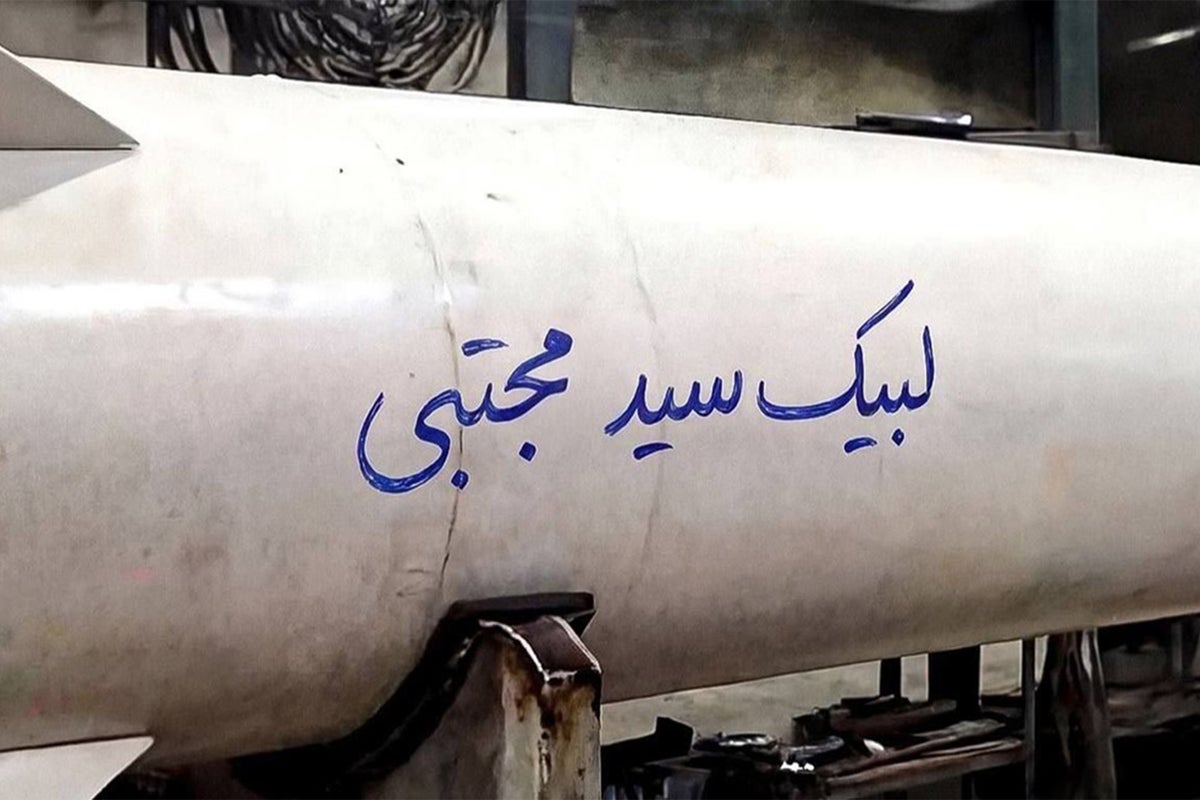
Projectile reads ‘At your service, Sayyid Mojtaba’ as son of Ali Khamenei launches first strikes in power
ATHENS, March 10 - Western nations have bolstered their military presence in the eastern Mediterranean during the conflict in Iran, focusing on the security of Cyprus after an Iranian-made drone hit a British military base on the island on March 2. Here is a snapshot of military assets that have been sent to the region in addition to those that had been there long-term before the conflict began on February 28. UNITED STATES

submitted by /u/gamersecret2 to r/worldnews [link] [comments]
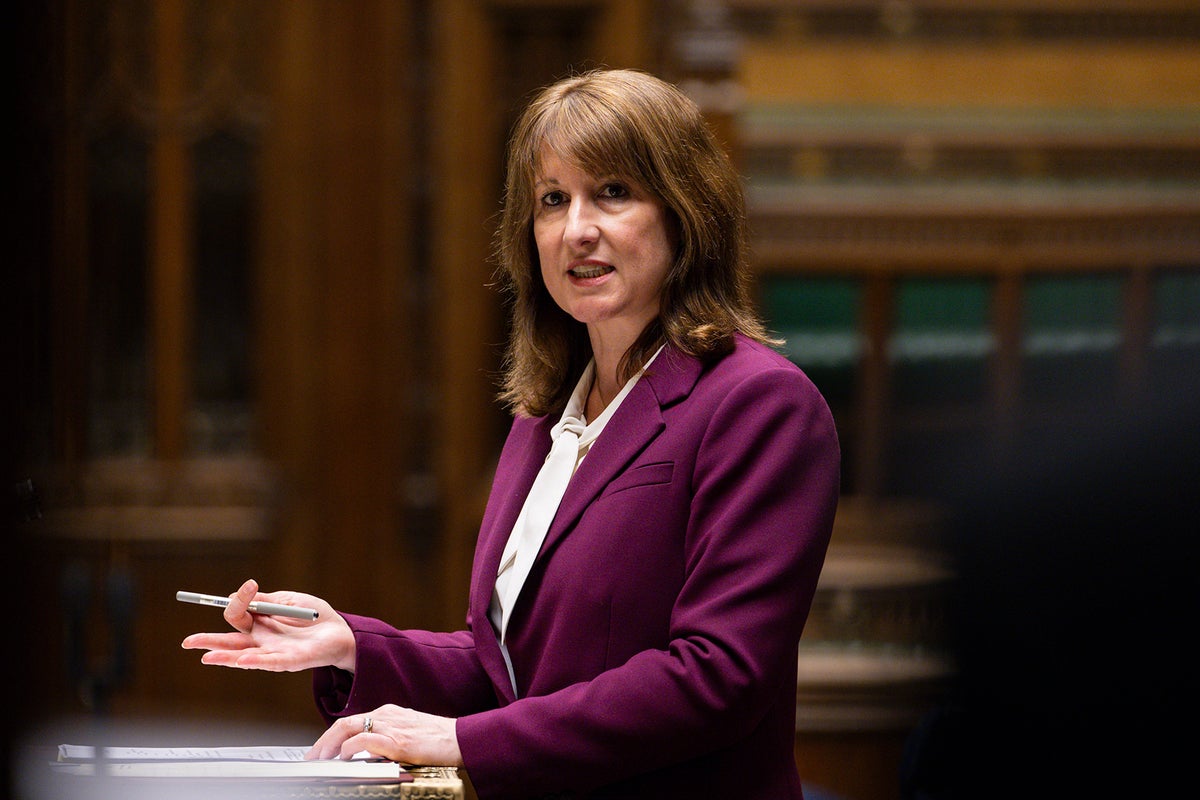
The Chancellor also warned that petrol stations ‘price gouging’ will ‘not be tolerated’
Nearly two dozen Indonesians repatriated from Iran arrived home on Tuesday, recalling the terror of falling bombs in the Islamic republic as the Middle East descended into war. The group of 22 people is the first brought back to Indonesia by the government, having been evacuated over land from Iran to Azerbaijan before flying on to Jakarta. Zulfanlindan, who was stuck in Iran for 10 days, sheltering at the Indonesian embassy in Tehran, said the situation in the capital was dire.
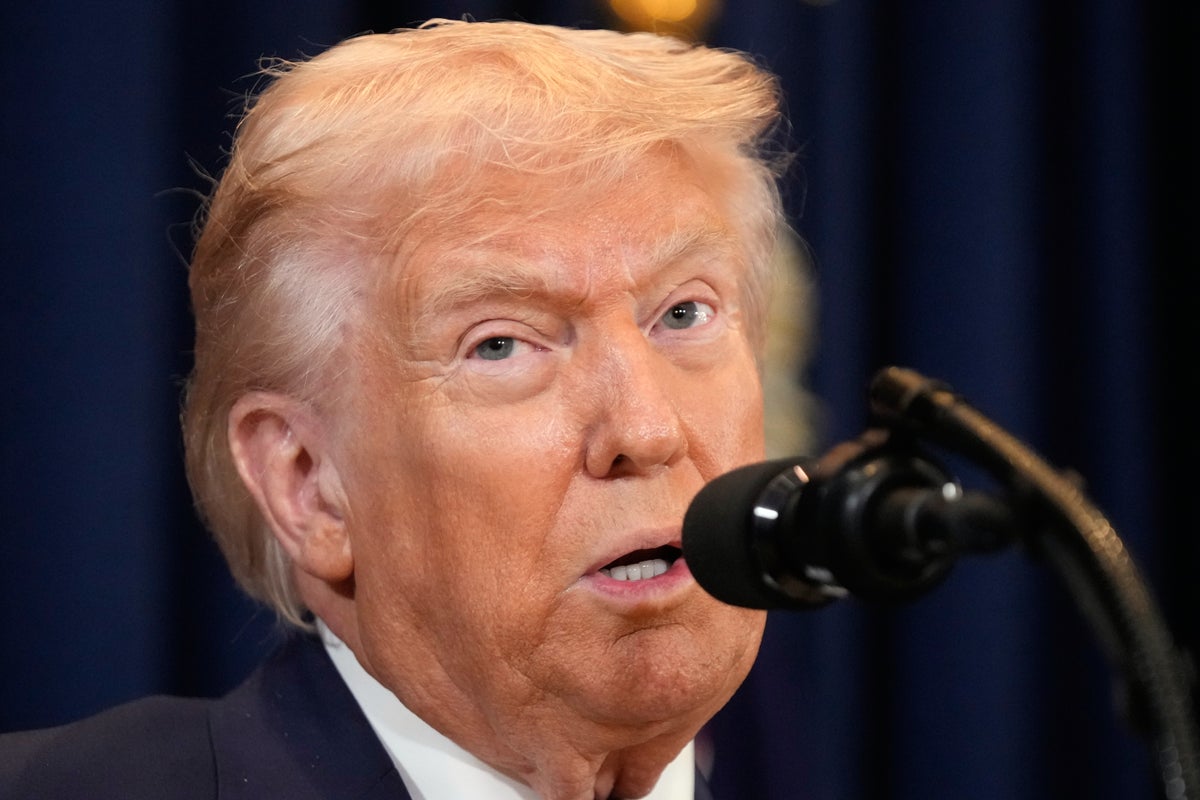
Americans are divided along party lines on U.S. military action against Iran, according to polls conducted since the war began, with most polls showing opposition is higher than support
How the Iran War Is Affecting Diesel and Gasoline Prices Transport Topics

Half of UK news articles about Muslims are biased, landmark study finds Imran Mulla on Tue, 03/10/2026 - 12:14 Study of 40,000 articles from across 30 media outlets finds 'Muslims are systematically portrayed through lenses of conflict, threat, and controversy' A photograph taken on 16 June shows the website of British opinion-oriented television and radio news channel GB News (AFP) Off A new study of 40,000 articles from across 30 media outlets in Britain has found that almost half published about Muslims in the UK contained a "high degree of bias", and 70 percent associated Muslims or Islam with negative aspects or behaviours. The Centre for Media Monitoring (CfMM), a nonprofit organisation analysing the media's portrayal of Muslims, says in its report published on Monday that "Muslims are systematically portrayed through lenses of conflict, threat, and controversy" in the media. The report defines "bias" in terms of the "presence of negative associations with Islam or Muslims, use of broad generalisations rather than specific attribution, instances of misrepresentation, omission of contextual information or diverse perspectives, and quality of headlines". The report reveals that 70 percent of news articles in 2025 highlight negative aspects of Islam and Muslims, with 44 percent "omitting essential context". Seventeen percent of articles contain generalisations about Muslims and 13 percent feature "outright misrepresentation", the CfMM says, warning of a "crisis of public understanding". (adsbygoogle = window.adsbygoogle || []).push({}); It finds that nearly 50 percent of all pieces published about Muslims in the UK "contained varying degrees of bias". The CfMM accuses a "cluster of right-wing publications" of producing most of the biased coverage. The Spectator had the highest proportion of "very biased" coverage (26 percent), followed by GB News (15.6 percent) and The Telegraph (12.3 percent). 'Systematic pattern of hostile coverage' The CfMM accuses GB News of having "embedded a systematic pattern of hostile coverage towards Islam and Muslims as a core feature of its editorial identity." Meanwhile, it says the BBC "consistently records the lowest or near-lowest rates of bias among major outlets across all metrics". (adsbygoogle = window.adsbygoogle || []).push({}); Significantly, the report finds: "Generalisation about Muslims is almost exclusively a right-wing editorial practice." UK government unveils new definition of anti-Muslim hatred Read More » It says that this proves "harmful coverage of Islam and Muslims cannot be attributed to media-wide tendencies alone", and that "the level of harmful coverage a publication produces is a product of deliberate editorial decisions rather than the inevitable constraints of news reporting". One GB News piece highlighted in the report was headlined "Let me be impolite: Muslims are racist against Jews". The CfMM report says the article itself attributes "antisemitism and violence to Muslims as a whole and to Islam as a religion", with "individual acts of violence" framed as products of "the ideology of Islam". Another article, in The Sun newspaper, was entitled: "'KILLER' FAMILY Gagged and tied teen thrown into swamp & left to drown 'by her BROTHERS' in Muslim sick 'honour killing over Western behaviour'". The CfMM said it complained to The Sun, arguing the headline linked the honour killing to Islam without evidence - after which The Sun amended its headline to remove the reference to Muslims. Rizwana Hamid, director of CfMM, said: "As the largest study of its kind ever conducted in the UK, this report presents deeply concerning evidence of structural bias in how Muslims are portrayed in the UK press." Hamid added that it "points to a systemic problem within our media ecosystem. When entire communities are repeatedly framed through lenses of suspicion or threat, it inevitably shapes public attitudes, political debate and the everyday lives of British Muslims". Research by the think tank Equi found a 43 percent rise in anti-Muslim incidents between 2023 and 2024, but revealed that public attitudes towards British Muslims are far more positive than political and media discourse often suggests. 'This report presents deeply concerning evidence of structural bias in how Muslims are portrayed in the UK press' - Rizwana Hamid, director of CfMM Equi also found that a majority of the public holds either favourable or neutral views of Muslims, and this increases when people are shown real examples of Muslim contributions to British society, from charity work to community engagement. The CfMM report was released on the day that the government unveiled a new non-statutory definition of anti-Muslim hostility after months of consultation and controversy surrounding the process. Communities Secretary Steve Reed said in the House of Commons: "Religious hate crimes targeted at Muslims are also at record levels, with almost half of these crimes targeted towards the Muslim community and many living in fear that they will be targeted because of how they look or assumptions over where they come from." The definition describes anti-Muslim hostility as criminal acts directed at Muslims "because of their religion" or at "those who are perceived to be Muslim", as well as "prejudicial stereotyping" and "engaging in unlawful discrimination" intended to "disadvantage Muslims in public and economic life". UK Politics News Post Date Override 0 Update Date Mon, 05/04/2020 - 21:19 Update Date Override 0
Journalists covering the war in the Middle East are facing increasing restrictions and censorship imposed by governments and armed groups, with reporters being stopped and questioned or even detained, a survey of AFP bureau chiefs from the region showed. Some of the tightest restrictions are in Iran and Israel, although Gulf monarchies, targets of unprecedented drone and missile attacks from Iran, have also imposed tighter controls.
Ukraine has battle experience with Iranian-made Shahed drones and has mass-produced cheap interceptors.
As the US and Israel's war on Iran widens Europe is caught in a bind. It wants to help partners in the Gulf but worries key equipment needed in Ukraine may be diverted by the US to the Middle East. #dwnews facebook.com
Farage U-Turns to Say UK Shouldn’t Get Involved in Iran War Bloomberg.com
APTOPIX Iran US Military Deaths Casualty Return Rutland Herald

Iran is bombing Gulf datacenters to blow up symbols of alliance with the US – bringing the war directly into the lives of millions of people Sign up for the TechScape newsletter: our free technology email Hello, and welcome to TechScape. I’m your host, Blake Montgomery. If you enjoy reading this newsletter, please forward it to someone you think would as well. US tech firms pledge at White House to bear costs of energy for datacenters Showdown over datacenter politics at heart of North Carolina primary Indonesia to ban social media for children under 16 Australians will have to verify their age to watch pornography from Monday. Here’s what you need to know Continue reading...

submitted by /u/AkaashMaharaj to r/geopolitics [link] [comments]

Trump was pictured wearing his own campaign merch, a white “USA” baseball hat, to the dignified transfer of the first U.S. soldiers killed in the war
At a market in Turkmenistan's capital Ashgabat, pensioner Shemshat Kurbanova always used to pick the "juiciest" Iranian fruit -- but 10 days of war across the border have sent prices soaring and she is now worried how to get by. The Middle East war has tumbled global markets, with the effects being felt almost immediately in some of Tehran's closest neighbours. Iran last week banned all goods and agricultural exports, triggering economic pressure on secretive Turkmenistan and the wider Central Asian region, where Tehran had a growing economic footprint in recent years.
Climate change fears grip Nuuk as winter temperatures reach record highs.