News
12,736 articles from 50+ sources
UN refugee agency says forced displacement likely to increase as US and Israel continue deadly strikes across Iran.
Nepal to ration cooking gas over fears of nationwide shortage Nepal will begin rationing cooking gas over fears of shortages amid ongoing US-Israeli attacks on Iran, an official said on Thursday. Chandika Prasad Bhatta, executive director of state-run Nepal Oil Corporation (NOC), said that from Friday, authorities would refill only half of consumers’ empty cylinders to prolong its stocks of liquefied petroleum gas (LPG). The statement triggered panic among consumers, who formed long queues outside refilling plants across the country, but Bhatta emphasised that there were enough supplies of LPG.

Iranian state media issued a defiant first message for the United States on Thursday reportedly written by Mojtaba Khamenei

British tourist faces Dubai prison sentence for 'filming Iranian missiles' Imran Mulla on Thu, 03/12/2026 - 12:48 Man from London, aged 60, is charged with 20 others over videos and online posts related to missile attacks on Dubai Dubai's skyline on 11 March 2026 (AFP) Off A British tourist is facing two years in prison in Dubai for allegedly filming missiles hitting the city, as the United Arab Emirates cracks down on those sharing what it calls "rumours". The Londoner, aged 60, was arrested on Monday night and has been charged alongside 20 others over videos and online posts related to Iranian missile attacks on Dubai. He reportedly deleted the video immediately when asked to and insisted he did not intend to break the law. The man, whose name has not been reported, is accused of "broadcasting, publishing, republishing or circulating rumours or provocative propaganda that could disturb public security", a crime which carries a maximum sentence of two years in prison. The UAE has said it will jail anyone sharing information that "results in inciting panic among people". (adsbygoogle = window.adsbygoogle || []).push({}); Around 240,000 British expats live in Dubai, which is currently being targeted by Iranian missile and drone attacks. Radha Stirling, the CEO of advocacy group Detained in Dubai, said: "Under UAE cybercrime laws, one post can lead to many arrests. Anyone who shares, reposts or comments on the same content can face the same charges and be named on the same charge sheet. "The charges are vague and broad but serious nonetheless," she said. "Those charged could face lengthy prison sentences. 'Dubai's nightmare': Iranian strikes shatter calm of UAE business hub Read More » "Residents could also be detained under national security laws, held indefinitely, denied access to their embassy and be subjected to human rights abuses. In times of tension, extreme caution is advised." Andreas Krieg, associate professor at the Defence Studies Department of King's College London, said: "The UAE should be smarter than imprisoning a British tourist over a cybercrime offense at a time when it needs to reassure expats to stay and/or return to Dubai". Dubai's global image as a safe, tax-free business hub and holiday paradise has been shattered in the past two weeks, as buildings – including the city's airport and its iconic Fairmont hotel on Palm Jumeirah – have been hit by Iranian missiles and drones. Iranian strikes have killed at least 12 civilians across the Gulf states. In the UAE, every civilian casualty has been a migrant worker. The government has launched a major crackdown on social media posts and videos depicting the attacks, in a bid to limit the reputational damage to the country. Western influencers in Dubai have instead been sharing pro-government posts and videos praising Dubai's leader Sheikh Mohammed bin Rashid Al Maktoum. Inside UAE News Post Date Override 0 Update Date Mon, 05/04/2020 - 21:19 Update Date Override 0
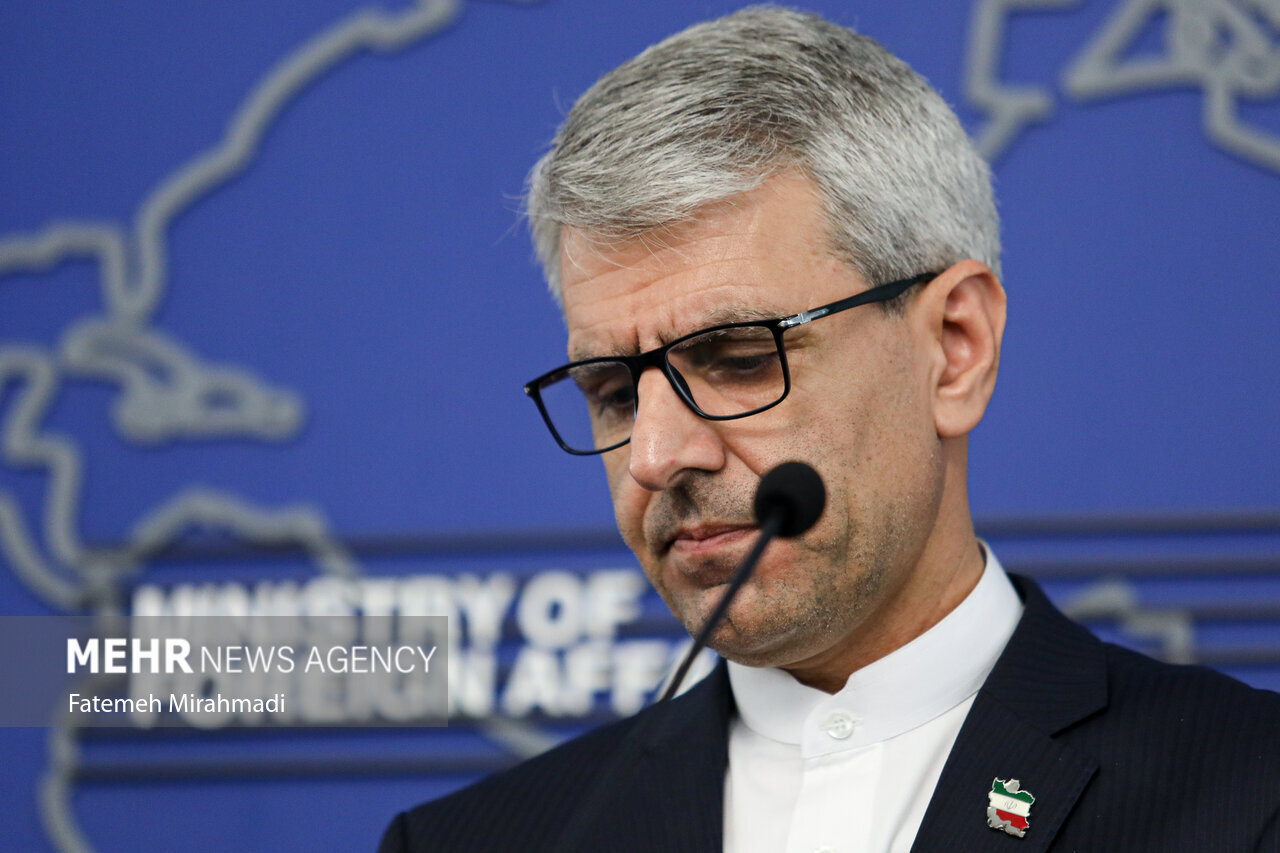
TEHRAN, Mar. 12 (MNA) – Iranian Foreign Ministry spokesman has lambasted the European states’ indifference to the Zionist and Israeli crimes in their war on Iran, accusing them of being an accomplice.
Bunker-busting bombs loaded onto US planes at UK airbase amid Iran war Al Jazeera
Aftermath of US-Israeli attacks on Tehran Al Jazeera
An Israeli strike on Beirut’s seafront killed at least 8 people and injured dozens more.
Larijani warns region will 'go dark' if US destroys Iran's electricity infrastructure Iran’s Supreme National Security Council Secretary Ali Larijani has warned that if Washington follows through on its threats to target the country's electricity network, the "whole region will go dark". US President Donald Trump said that the US will target Iran's electricity production sites "if the Islamic Republic doesn't cooperate". “If we hit [those targets], it’s going to take many years for them to be rebuilt. [The targets have] to do with electricity production and many other things. We’re not looking to do that if we don’t have to,” Trump said. Larijani responded in a post on X, warning that: "the whole region will go dark in less than half an hour and darkness provides ample opportunity to hunt down US servicemen running for safety".

Iranians fear fragmentation as rumours swirl about US backing Kurdish groups MEE correspondent on Thu, 03/12/2026 - 13:01 'I realise they are criminals too, just like the Islamic Republic,' an Iranian mother says of Trump and Netanyahu A fighter from the Iranian Kurdish armed faction Kurdistan Free Life Party near the border with Iran in Iraq’s autonomous Kurdistan region, on 8 March 2026 (AFP) Off For many Iranians, the war launched by Israel and the US has triggered fears that go beyond air strikes and missile attacks. Some now worry that the conflict will open the door to internal instability and even attempts to fragment the country along ethnic lines. Keyvan, 42, was born and raised in Tehran. Like many others, he has been following the news of the war closely. Keyvan isn’t worried only about the bombing campaign, though: he fears that armed Kurdish groups based in the Kurdistan region of northern Iraq could try to enter Iran if the war escalates. “They have been planning to break up Iran for years. Not just Israel, even the United States. Just listen to what Trump has said,” Keyvan tells Middle East Eye. He is referring to remarks made by US President Donald Trump suggesting that Iran’s borders might not remain the same after the war. The comment has circulated widely on Persian-language social media and has added to concerns about the country’s territorial integrity. (adsbygoogle = window.adsbygoogle || []).push({}); In recent weeks, reports have circulated about possible preparations by armed Iranian Kurdish groups based across the border in Iraq. In the fog of war, some unverified accounts have even claimed that small-scale incursions may already have begun. Prominent Kurdish figures, including Bafel Talabani, leader of the Patriotic Union of Kurdistan (PUK), have said that they do not foresee cross-border operations taking place and do not believe regime change will take place in Tehran. “Iranians, like everybody else, are very nationalistic persons, and I believe that if they fear that Kurds coming in from elsewhere will cause a split or a splintering of their country, this may actually unify the people against this separatist movement,” Talabani said. But this view is not shared by all Kurdish leaders. “We have been planning for a long time, and now that conditions are more favourable, there is a strong probability of action,” Babasheikh Hosseini, secretary-general of the Khabat Organisation of Iranian Kurdistan, told Al Jazeera last Friday. (adsbygoogle = window.adsbygoogle || []).push({}); Kurdish armed groups According to research cited by Minority Rights Group International, Kurds make up around 10 percent of Iran’s population, living mainly in the provinces of Kurdistan, Kermanshah, West Azerbaijan and Ilam. Several Iranian Kurdish opposition movements, which Tehran generally considers to be terrorist groups, have operated for decades from bases in northern Iraq. 'When the issue is Iran, there is no difference between Shia and Sunni, Kurdish or Persian' - Bahram, Kurdish Iranian A week before the war on Iran began, the Kurdish Freedom Party (PAK), the Democratic Party of Iranian Kurdistan (PDKI), the Kurdistan Free Life Party (PJAK), Komala and the Khabat organisation formed a coalition of Iranian Kurdish opposition parties whose stated aim was the “overthrow of the Islamic Republic of Iran”. Over the years, tensions between Tehran and Kurdish armed groups have periodically escalated. Iran’s Islamic Revolutionary Guard Corps (IRGC) has repeatedly launched missile and drone strikes against militant camps across the border in Iraq. In 2023, Iran and Iraq signed a security agreement aimed at disarming Iranian Kurdish armed groups and relocating them away from the Iranian border. Iraqi officials later said several camps had been moved deeper into Iraqi Kurdistan. Still, residents in Iran’s Kurdish regions say weapons smuggling across the mountainous border appears to have increased since the 12-day war launched by Israel last year. Inside Kurdish Iran Bahram, a 65-year-old resident of Sanandaj, the capital of Iran’s Kurdistan province, says local people are well aware of developments across the border. Sanandaj lies in a region where most residents are Sunni Muslims – a minority in Iran, where the majority of the population is Shia. Sunni communities in Iran, including Kurds and Arabs, have long complained about discrimination and political marginalisation. But Bahram says that when it comes to Iran’s territorial integrity, ethnic and religious differences fade. “When the issue is Iran, there is no difference between Shia and Sunni, Kurdish or Persian,” he says. 'We have seen what happened in Syria and Libya. We do not want our beloved Iran to be torn apart' - Zohreh, Iranian mother “If you travel through towns in Kurdistan province and talk to ordinary people, you will hear the same thing,” he tells MEE. “Since the 12-day war, more weapons have been coming across the border.” Bahram believes the movement of weapons is part of a broader strategy. “In my view, Israel is behind much of this, trying to create unrest inside Iran at the right moment,” he says. Iranian officials have not released detailed information about such reports, but they have repeatedly warned that any cross-border activity by Kurdish armed groups will be met with force. Since the start of the current war, Iranian forces have carried out several strikes inside Iraqi Kurdistan, which Tehran says targeted bases belonging to “separatist terrorist groups”. Despite long-standing grievances in Kurdish areas of Iran, Bahram believes armed Kurdish groups have limited support among local people. “Even in small towns, these militant groups are not popular,” he says. “Despite attempts to arm certain groups inside Iranian Kurdistan, I don’t think fighters from across the border would be able to advance far if they tried to enter Iran.” Fear replaces hope Meanwhile, some Iranians who once supported the idea of foreign military pressure on the Islamic Republic say they are now reconsidering their views. Zohreh, a 43-year-old mother, says the possibility of Kurdish militias entering Iran has made her deeply anxious. An Iranian oil tanker en route to Sulaymaniyah in Iraq's northern Kurdistan region on 11 March 2026 (Ozan Kose/AFP) (adsbygoogle = window.adsbygoogle || []).push({}); “What would happen if Kurdish fighters came into the country?” she asks. “Would we move toward partition? Toward civil war? We have seen what happened in Syria and Libya. We do not want our beloved Iran to be torn apart.” She says she once supported the idea of outside pressure on the Iranian government. “We were exhausted by the crimes of the Islamic Republic. We were tired of unemployment, rising prices and political repression. We thought maybe war would end everything," she says. But the war has changed her mind. “Now when I listen to the speeches of Israel’s prime minister and the American president, I realise they are criminals too, just like the Islamic Republic.” Her voice trembles as she continues: “We, the people of Iran, are trapped between powerful forces that do not care about us.” The borders of Iran Although some activists and intellectuals in Iran support ideas such as federalism and greater recognition of minority rights, strong nationalist sentiment remains widespread across the country. Armin, a 36-year-old resident of Tehran, says Iran’s territorial unity is a red line for many citizens. “For Iranians, touching the map of the country is unacceptable,” he says. “Iran is not just land. It is our identity. Anyone who tries to divide it will face the anger of the Iranian people.” US air defence systems intercepting attacks on Iranian Kurdish groups Read More » Analysts from organisations such as the International Crisis Group have warned that external conflict could intensify ethnic tensions inside Iran if instability spreads across its borders. Trump, among other US officials, has denied reports suggesting Washington might support Kurdish militant incursions into Iran. “I don’t trust anything Trump says,” Keyvan says. “He says something different every day. Experience has taught me to prepare for the worst.” Zohreh recalls another moment that shaped her scepticism. “Wasn’t he the same person who tweeted during the protests two months ago that American help was on the way,” she says. “And then a few days later he was negotiating with the Islamic Republic. “We don’t trust these promises any more. What we fear most now is that our country could slide into civil war. Only God can help us, if there is a God at all.” War on Iran Tehran News Post Date Override 0 Update Date Mon, 05/04/2020 - 21:19 Update Date Override 0
“War on the Iranian People”: Nationalism Grows in Iran in Defiance of Deadly U.S. and Israeli Strikes Democracy Now!
Amnesty Head Agnès Callamard on Iran War, Global Fight for Gender Justice & Killing of Yanar Mohammed Democracy Now!
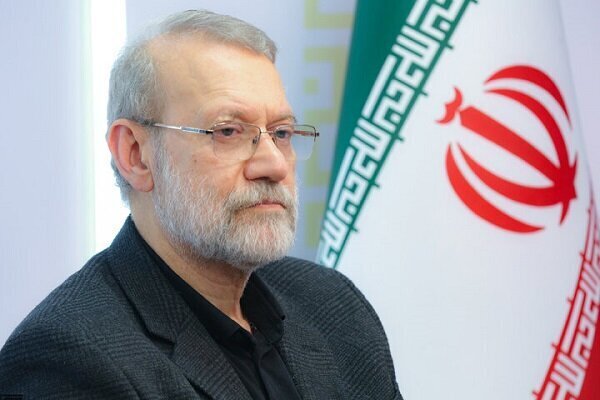
TEHRAN, Mar. 12 (MNA) – The Secretary of Iran’s Supreme National Security Council (SNSC) has reacted to the US President Donald Trump’s threat to attack Iran's power grid.
Iran has resorted to unconventional tactics in its retaliatory strikes against the US and Israel.
Oil prices jump as Iran war causes the 'largest supply disruption' in the history of petroleum markets NBC News
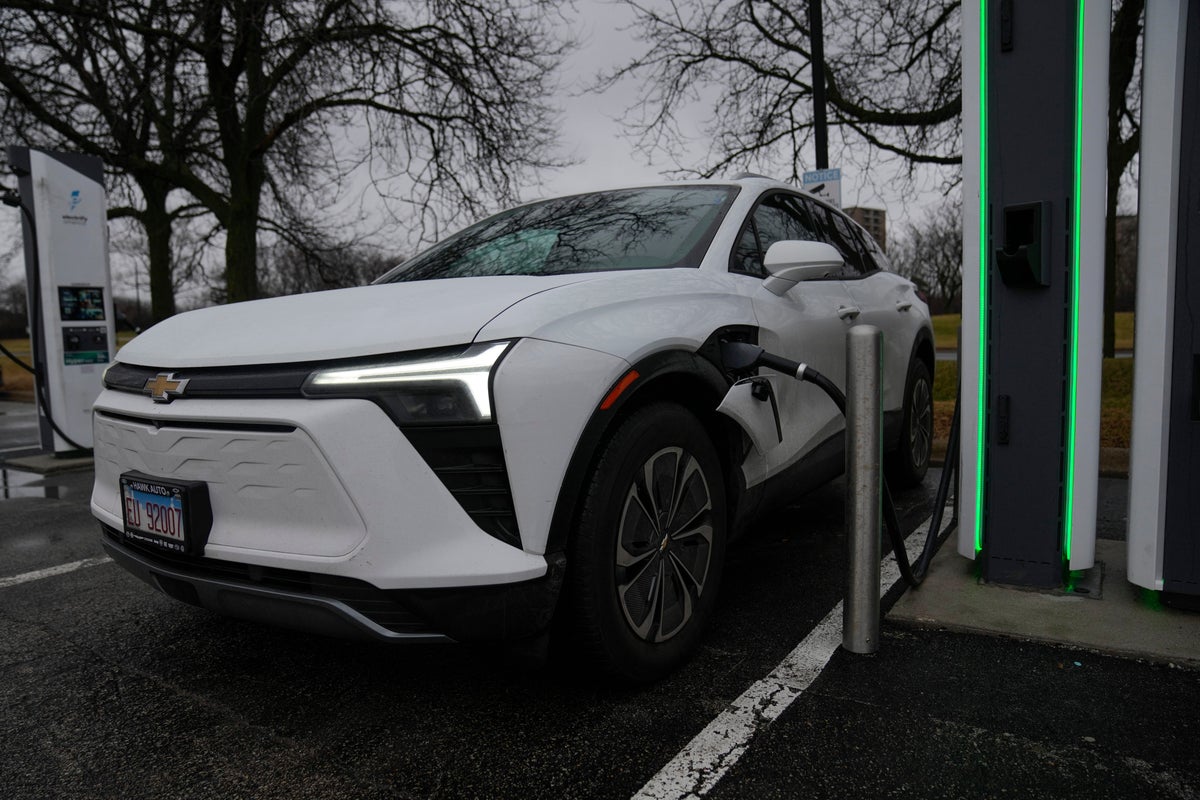
Drivers of gas-powered vehicles are much more vulnerable to fluctuating prices that result from global conflict
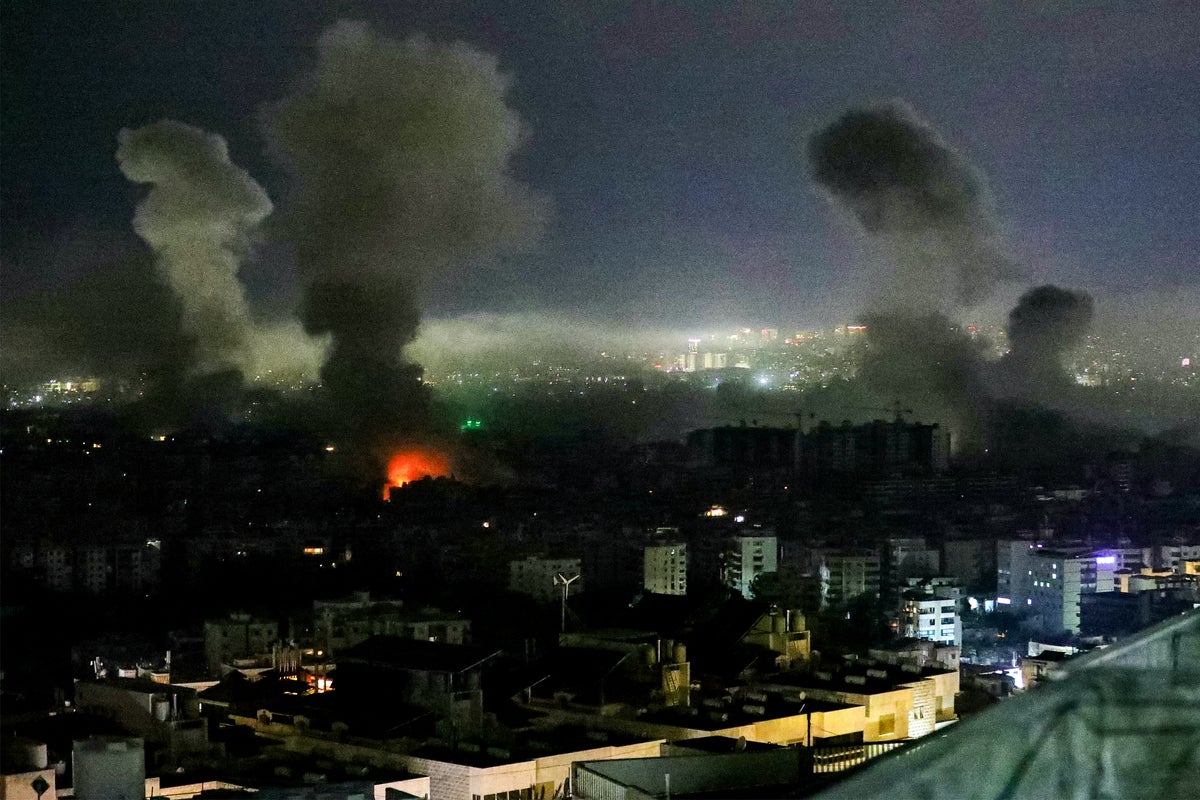
Hezbollah launched dozens of rockets and drones at northern Israel promising more will come as the US-Israeli war with Iran continues to spiral
Cross-border clashes between the two countries intensified on February 26, two days before US, Israel attacked Iran.
When an air strike hit their Beirut neighbourhood, people were angry with Israel, but they reserved their deepest rage for Hezbollah, for dragging Lebanon into the Middle East war. Israel and the United States launched huge strikes on Iran on February 28, killing its supreme leader and sparking a massive retaliatory campaign. Iran-backed Hezbollah, already weakened by war, attacked Israel in support of its sponsors, pulling Lebanon into a new cycle of strikes, death and mass displacement.
Israeli military reissues expulsion orders for Beirut southern suburbs The Israeli army has reissued an expulsion order for Beirut's southern suburbs, known as Dahiyeh. In a statement on X, the military instructed residents of the neighbourhoods of Haret Hreik, Ghobeiri, Laylaki, Hadath, Burj al-Barajneh, Tahwitat al-Ghadir and Chiyah to flee. Dahiyeh - home to hundreds of thousands of residents, many of them Hezbollah voters - has borne the brunt of Israeli attacks on the city since the military launched renewed air and ground operations in Lebanon. On 5 March, the Israeli army issued expulsion orders for the entire area ahead of a wave of strikes. Israeli finance minister Bezalel Smotrich warned that the suburbs would "look like Khan Younis".