News
12,736 articles from 50+ sources
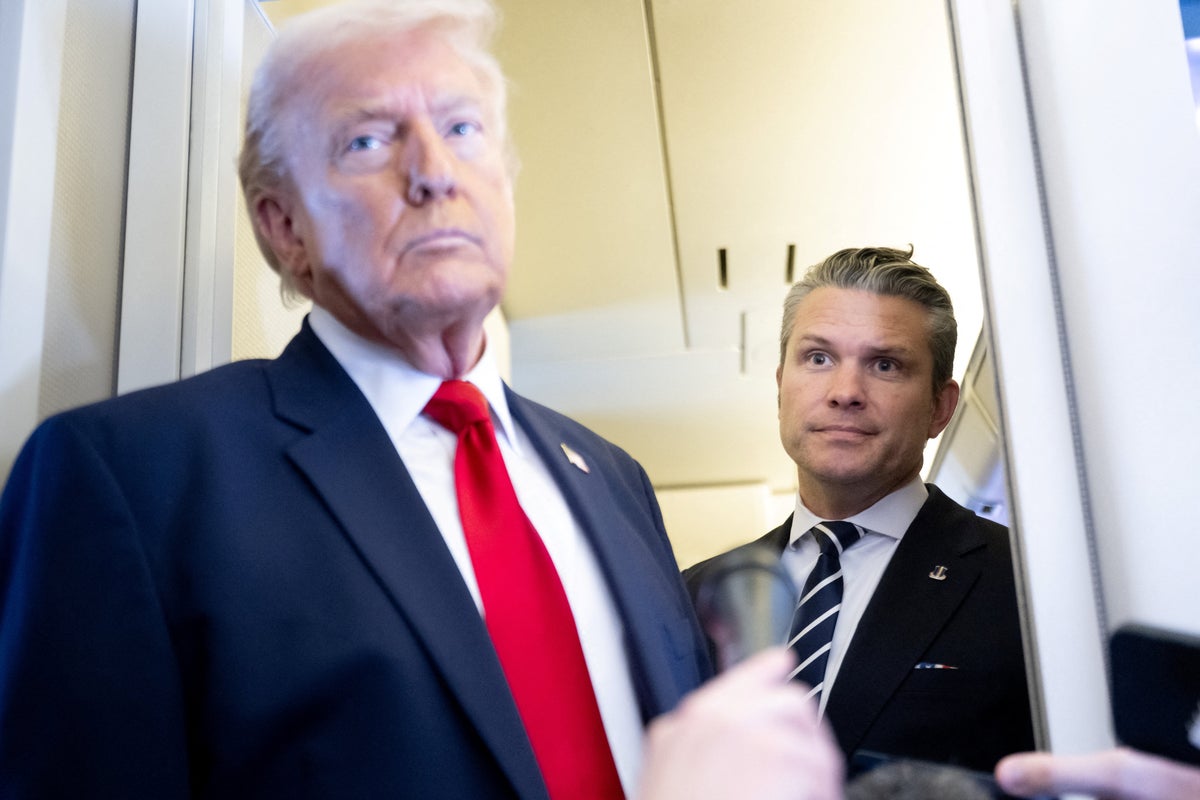
Hegseth has presided over a major Signal security breach, faced scrutiny over missile strikes against alleged drug vessels in the Caribbean and is now overseeing Trump’s war in Iran

How Iran war will shape the future of Hezbollah and Israeli expansionism Hicham Safieddine on Mon, 03/09/2026 - 16:02 Lebanon's armed resistance has reached a critical juncture, amid ongoing Israeli occupation and ceasefire violations Smoke billows from the site of an Israeli air strike in the southern suburbs of the Lebanese capital Beirut on 9 March 2026 (Ibrahim Amro/AFP) Off The US-Israeli war on Iran has led to a regional conflagration, with Lebanon becoming one of its hot spots. Two days after the attack on Iran, Hezbollah launched rockets across the border towards Haifa. Israel swiftly responded with large-scale bombings, targeted assassination attempts and ground incursions. This new round of fighting on the Lebanese front is unlikely to impact the war on Iran in a significant manner. But it will have serious consequences for the future of armed resistance in Lebanon and Israel’s expansionist plans, including the occupation of larger swathes of southern Lebanese territory. Shortly after the outbreak of hostilities, the Lebanese government voted to outlaw Hezbollah’s military and security activities, instead of taking concrete measures to fend off Israeli aggression. In effect, this was a political and legal coup against the right to resistance. The decision is the culmination of a series of government decrees issued since the November 2024 ceasefire, all aimed at rolling back the state sanctioning of armed resistance that had been in place since the mid-1990s. (adsbygoogle = window.adsbygoogle || []).push({}); Prior to its recent rocket attacks, Hezbollah had fully abided by the ceasefire agreement, while Israeli violations continued unabated. During the declared period of the cessation of hostilities, Israel’s attacks on Lebanon have killed close to 400 people and injured more than 1,100. Israeli forces have also refused to withdraw from five military positions inside Lebanon, while conducting regular incursions to destroy property or abduct citizens. Lebanese fuel to Israeli fire The Lebanese government has added fuel to the fire by tightening the economic siege on the resistance community in southern Lebanon. Reconstruction efforts have been stalled under the pretext of disarming Hezbollah and cutting off financial flows from sympathetic states like Iran or parts of Iraq. On the military front, Lebanon’s army was deployed in the south as part of efforts to assert state sovereignty. But its operations were restricted to seizing Hezbollah weapons in line with US and Israeli demands, rather than defending Lebanese sovereignty against Israeli threats. During this period, President Joseph Aoun and Prime Minister Nawaf Salam sought to apply diplomatic pressure to force Israeli compliance, with no results. Their bet on improving the army’s military capabilities has also reached a dead end. Political forces aligned with the US-Israeli agenda are demanding that the army crack down with force on Hezbollah. This is a recipe for civil war The much-touted Paris conference to support the army, initially scheduled for 5 March, was shelved after the outbreak of this war. The cancellation notwithstanding, previous aid packages suggest that any future funding of the army will likely be geared towards the salaries of soldiers and acting against non-state actors, rather than confronting foreign threats. Amid the current war, the army finds itself at the crosshairs of competing demands. On one hand, political forces aligned with the US-Israeli agenda are demanding that the army crack down with force on Hezbollah. This is a recipe for civil war. So far, the army’s chief commander, Rodolphe Haykal, has resisted this path. On the other hand, the army’s reported withdrawal from several positions in the south once the fighting began, and its impotence in the face of Israeli attacks, have reinforced claims that it is too weak to protect the country’s sovereignty. Interconnected fronts If the army can’t be used as leverage against Hezbollah, the remaining card for its opponents is to drive a wedge between Hezbollah and its social base and its closest ally, the Amal Movement, by blaming Hezbollah rather than Israel for their plight. The timing and circumstances of displacement might appear favourable for this strategy. The government estimates that over 517,000 people have been forced to flee in the last week alone - the second mass displacement in less than two years. It is winter, and the state’s ability to provide shelter and food is limited, while rent has skyrocketed. (adsbygoogle = window.adsbygoogle || []).push({}); The success of this strategy, however, depends in part on the military performance of Hezbollah in the short run, and the outcome of the war in the long run. Many displaced people might be frustrated or critical of Hezbollah’s decision to launch rockets, regardless of signs that Israel could be planning a large-scale invasion after calling in 100,000 reserve soldiers. How Israel is laying the groundwork for ethnic cleansing in southern Lebanon Read More » But the resistance community, including those who are displaced, are equally aware that the trigger is not the cause. They have vivid memories of decades of Israeli aggression, and lived experiences of the more recent and ongoing Israeli attacks. They are also fully aware of Israel’s longstanding settler-colonial ambitions south of the Litani River. If the war leads to a renegotiation of ceasefire terms - ending Israeli violations and occupation, while leading to a safe return of Lebanese civilians and reconstruction - any criticism of Hezbollah’s tactics will evaporate, and the population’s trust in its ability to protect them will be restored after two years of doubt. A return to the status quo, or more Israeli gains, would have the opposite effect. The likelihood of either scenario is not a strictly domestic affair. It will be impacted by the outcome of the regional war and Iran’s ability to withstand this latest US-Israeli onslaught. The interconnectedness of the two fronts is a reminder that the current conflict in the Middle East is not a domestic or national affair, but a broader crisis that could shape the future of US imperialism and Zionist settler-colonialism for decades to come. The views expressed in this article belong to the author and do not necessarily reflect the editorial policy of Middle East Eye. Israel's war on Lebanon Opinion Post Date Override 0 Update Date Mon, 05/04/2020 - 21:29 Update Date Override 0
For Muslims across the world, Ramadan is synonymous with prayer, spirituality and joyful nighttime gatherings, but across much of the Middle East, the Iran war means evenings no longer have anything festive about them. The celebrations that usually accompany the holy fasting month have been spoiled by bombing, displacement and cash shortages, all soundtracked by the frequent wail of air raid sirens. Last week, Zainab El Masry, 40, of Lebanon, was preparing lentil soup and fattoush salad for iftar, the fast-breaking meal taken at sunset, with her family.

submitted by /u/Uchiha_Madara_Nipple to r/worldnews [link] [comments]

submitted by /u/fortune to r/worldnews [link] [comments]
Pentagon identifies seventh US service member killed in Iran war The Pentagon has identified the seventh US service member killed in combat during the US-Israeli war on Iran as Army Staff Sgt. Benjamin N. Pennington, 26, of Glendale, Kentucky. Pennington died on Sunday after being wounded in an attack on 1 March at Prince Sultan Air Base in Saudi Arabia, according to a Pentagon statement. Six US Army reservists were also killed in Kuwait when an Iranian drone struck an operations centre at a civilian port.
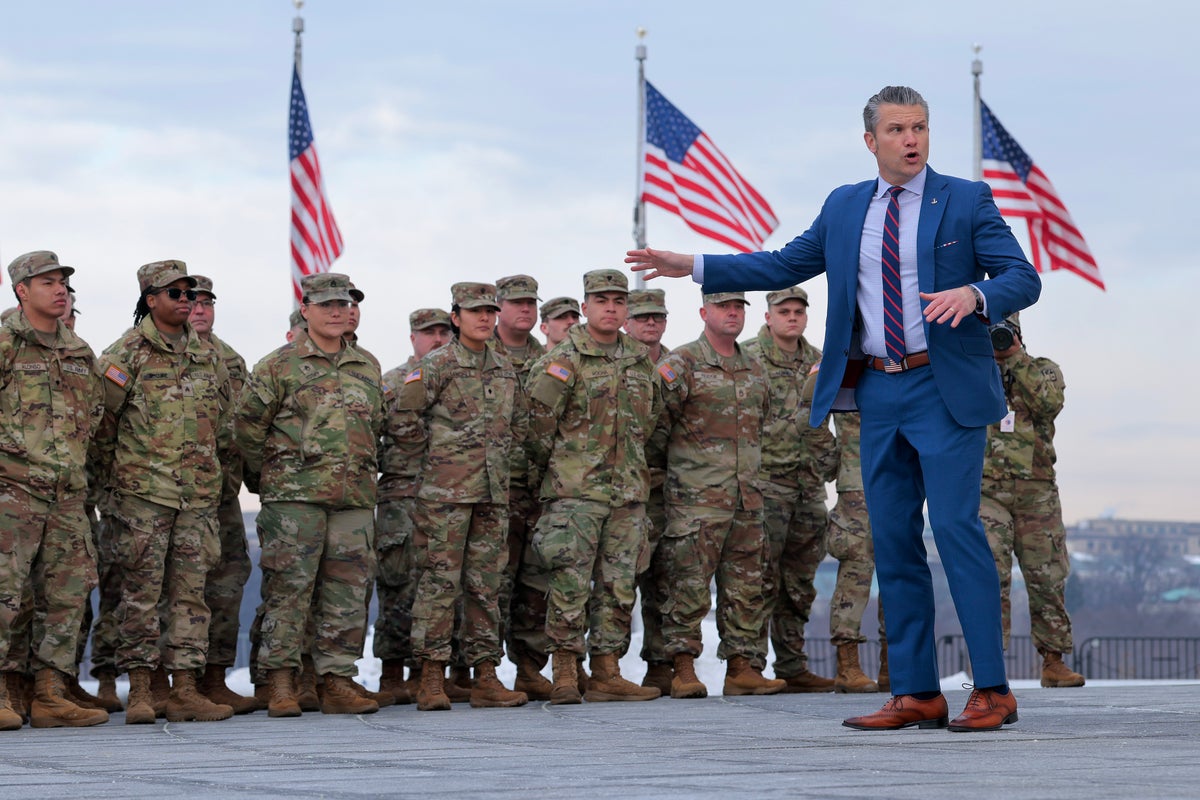
Conscripting Americans into war remains deeply unpopular and is unlikely to have majority support in Congress
Erdogan warns Iran after missile enters Turkish airspace Turkish President Recep Tayyip Erdogan said Ankara has issued the necessary warnings to Tehran after NATO air defences shot down a second Iranian ballistic missile that entered Turkish airspace earlier on Friday. Speaking after a cabinet meeting in Ankara, Erdogan said Tehran continues to take “wrong and provocative steps” during the US-Israeli war on Iran. He said no action should damage Turkey’s “thousand-year neighbourly, brotherly ties” with Iran. Erdogan added that Ankara will continue taking additional measures after deploying six F-16 fighter jets to northern Cyprus on Monday.
Kowtowing to US foreign policy in Iraq and Afghanistan had disastrous consequences. Why are leaders making the same mistake all over again? Here is the sort of analysis you’re being served up by our esteemed commentariat. Keir Starmer’s positioning on the Iran war, we are told, reveals a prime minister with no political compass. True, but talk about burying the lede. The story here is not Starmer’s lack of political acumen. British involvement in the Iran war is not a policy question on which reasonable people might disagree, like raising a tax here or spending a bit more money there. This is a grave crime. Yet all the pressure on Starmer seems to arrive from one direction. He “should have backed America from the very beginning”, declares Tony Blair, apparently eager for his successor to emulate his own record of dragging Britain into US-led catastrophes widely condemned as illegal. Donald Trump’s sidekick Nigel Farage, Tory leader Kemi Badenoch and the rightwing press make much the same complaint. Owen Jones is a guardian columnist Continue reading...
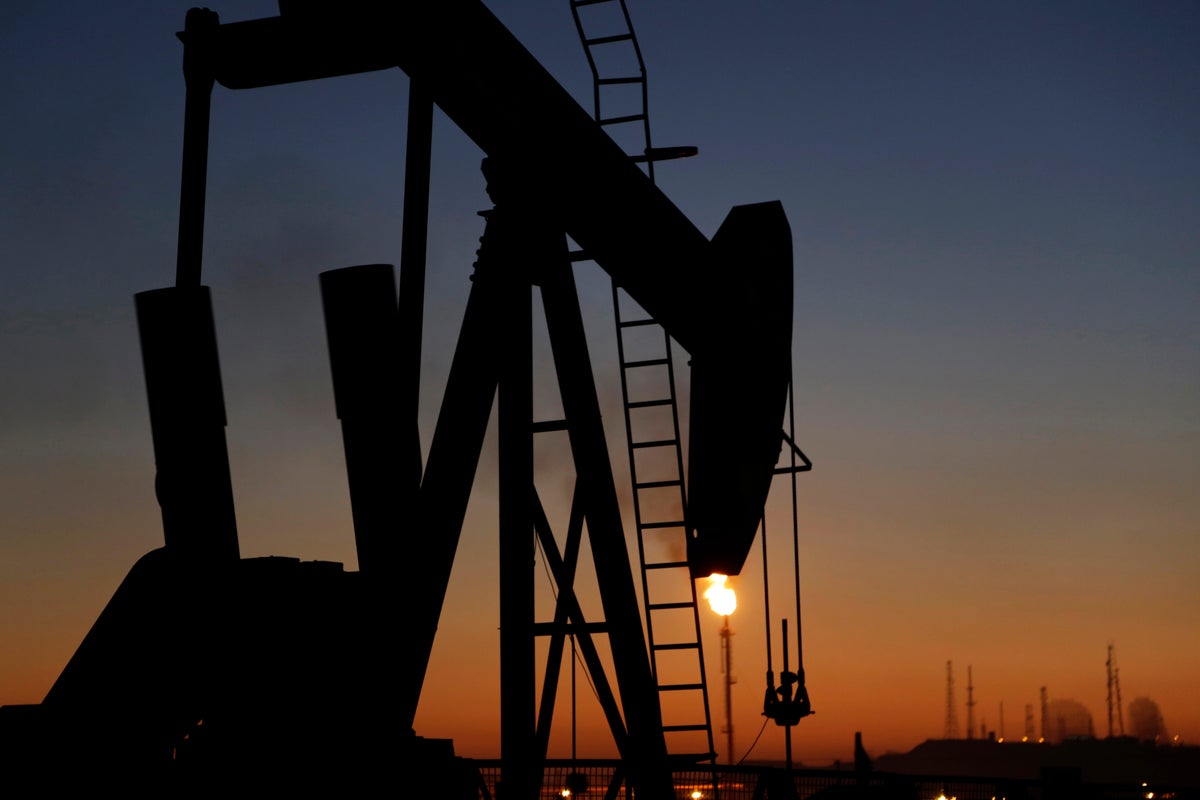
Attacks by the U.S. and Israel on Iran, and Iranian missile and drone attacks on neighboring countries, have disrupted oil and gas supplies to the rest of the world — and dealt an energy price shock to the global economy
The Take: Why Israel’s war on Hezbollah keeps returning Al Jazeera
Mojtaba Khamenei has been chosen to replace his father Ayatollah Ali Khamenei as Iran’s supreme leader, while the country continues to be heavily bombarded by US and Israeli forces. There are concerns the move could lead to a further escalation of war in the Middle East, after Donald Trump warned that Khamenei was an ‘unacceptable’ choice. Lucy Hough speaks to diplomatic editor Patrick Wintour Continue reading...
Desmond Hewitt responds to an article by an Iranian citizen living in Tehran in the midst of the ongoing war The poignancy of the anonymous author’s article describing life in Tehran is almost too much to bear (‘Don’t die’: the two words that sum up our lives in Tehran now, 7 March). I would like to say to them and their friends who simply want to stay alive that there are many here among us, in the UK at least, who agree with you. In particular, your words on the oxymoronic dictatorial democratic narrative on the justification for yet another confected, misguided and maniacal war in the Middle East. The Alice Through the Looking Glass prism that the government of the world’s so-called largest democracy uses as its justification for the bombing of your country is sickening. Sickening because that country has stood by while the atrocities they claim to abhor take place elsewhere in the world. Continue reading...
Israel arrests journalists reporting on missile impacts The Israeli military has imposed strict limits on reporting about where missiles and rockets are landing and how many have been fired by Iran or Hezbollah. Al Jazeera reported that Israeli authorities have arrested journalists deemed to have revealed too much information on air. Two people were killed on Friday in an area near Ben Gurion Airport close to Tel Aviv. Eyewitnesses said some of the missiles fired by Iran appear to carry cluster warheads, which break apart and spread over a wide area, increasing the potential for damage. Emergency crews have been searching impacted areas to ensure there is no unexploded ordnance.
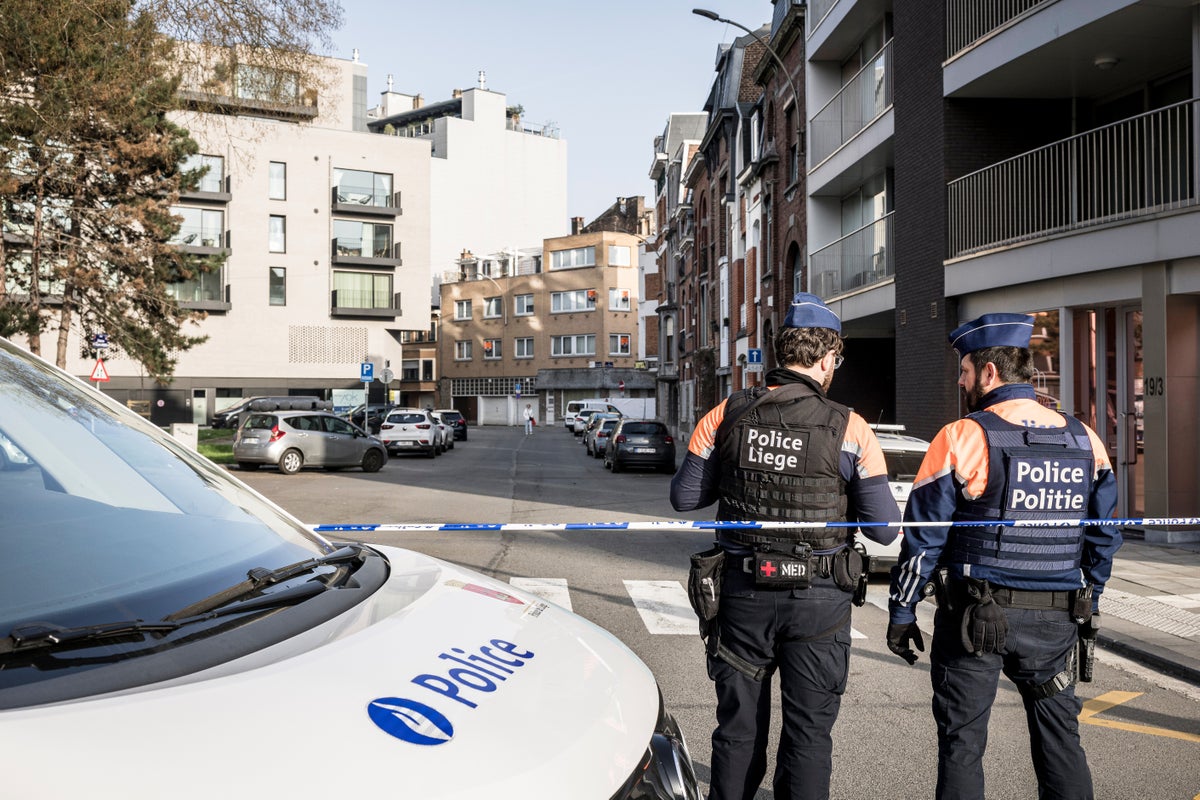
It comes as multiple countries tighten their security due to the US-Israel war on Iran
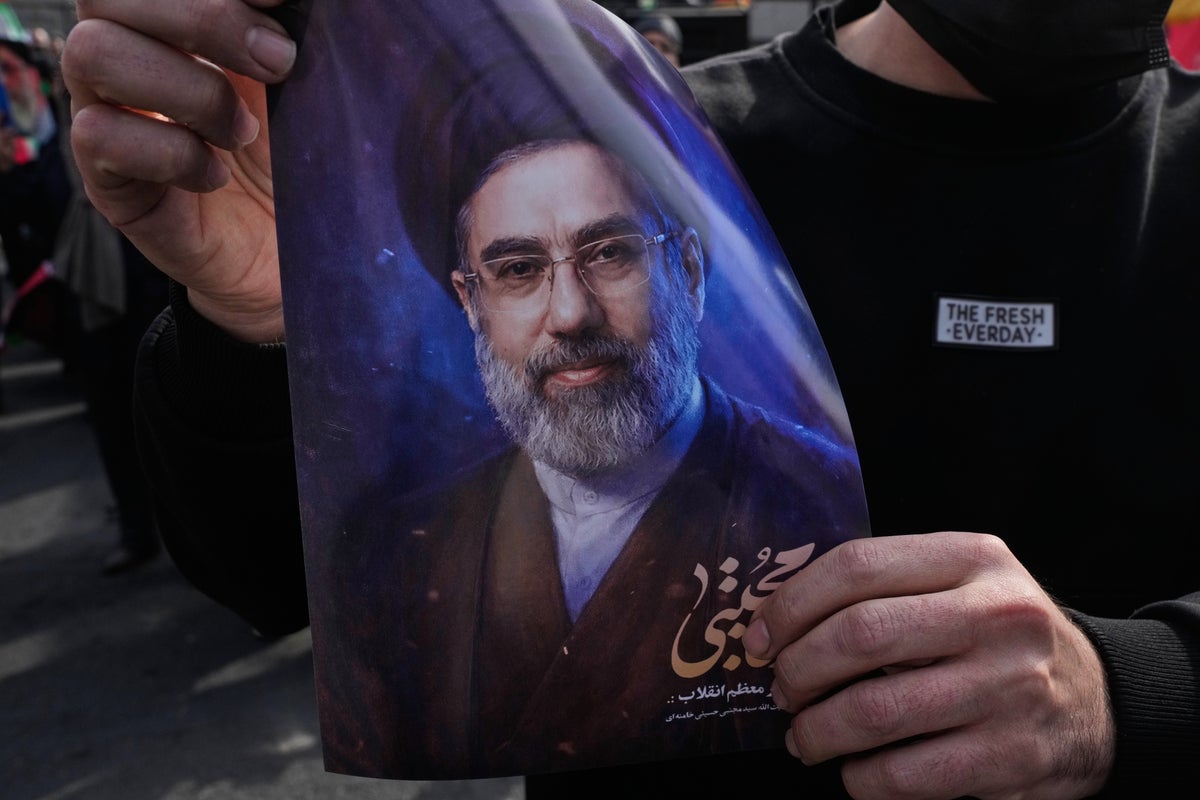
Photos from the ground as the Iran war launched by the United States and Israel enters its second week, and the son of the country’s late supreme leader becomes his successor.

Price of oil has surged since US and Israel launched airstrikes towards Iran 10 days ago
Iran war's energy price shock is likely to spiral economy-wide Axios
Afternoon recap Good afternoon Middle East Eye readers, As Iran’s new supreme leader, Mojtaba Khamenei, assumes power, the Middle East remains under bombardment from multiple sides as the conflict enters its tenth day. Here's a round-up of all the latest: Iran's security chief Ali Larijani warned that the Strait of Hormuz will remain unsafe as long as the war with the US and Israel continues At least 16 people were killed in southern Lebanon, including a priest Turkish President Recep Tayyip Erdogan warns Tehran after Nato defences intercepted an Iranian missile in Turkey's airspace Qatar said it intercepted 17 ballistic missiles fired from Iran Oil prices rocketed above $100 a barrel for the first time since Russia's invasion of Ukraine in 2022 European stock markets dropped to their lowest level in more than two months Unicef said Israel is killing at least 10 children per day in Lebanon
Erdogan warns Iran against 'provocative steps' after second missile intercepted Turkey's President Recep Tayyip Erdogan again warned Tehran against taking "provocative steps" after Nato defence systems intercepted a second Turkey-bound ballistic missile launched from Iran. "Despite our sincere warnings, extremely wrong and provocative steps continue to be taken that will jeopardise Turkey's friendship. One should not engage in such behaviour," he said, adding: "Persistence and stubbornness in wrongdoing should be avoided".