News
12,736 articles from 50+ sources

Oil has empowered capitalism, and some of the world’s most exploitative regimes. Move away from it and we can solve some of the key issues we face I realise this is a serious breach of etiquette. But could we perhaps abandon good manners and contextualise Donald Trump’s attack on Iran? The intense western interest in the Middle East and west and central Asia, sustained for more than a century, and the endless attempts by foreign governments to shape and control these regions, are not random political tics. They are somewhat connected to certain fuel sources situated beneath the ground. Trump’s war aims are typically incoherent: apparently incomprehensible even to himself. But Iran would not be treated as an “enemy of the west” were it not for what happened in 1953, when Winston Churchill’s government persuaded the CIA to launch a coup against the popular democratic government of Mohammad Mossadegh. The UK did so because Mossadegh sought to nationalise the Anglo-Iranian Oil Company: to stop a foreign power from stealing the nation’s wealth. The US, with UK support, tried twice to overthrow him, and succeeded on the second attempt, with the help of some opportunistic ayatollahs. It reinstated the shah, Mohammad Reza Pahlavi. In 1954, the Anglo-Iranian Oil Company became British Petroleum, later BP. George Monbiot is a Guardian columnist Continue reading...
Blocking Fertilisers: The Hormuz Strait and Agricultural Shock Counterpunch
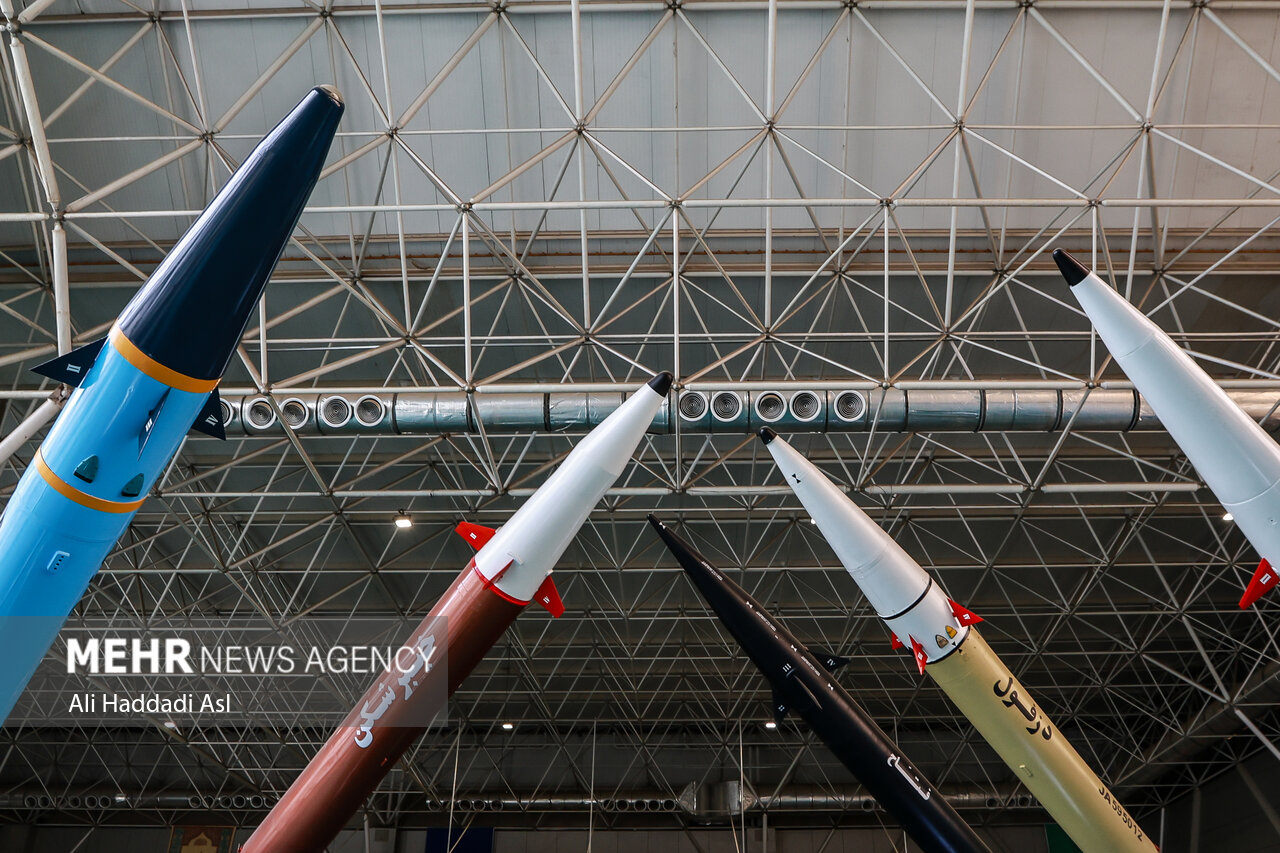
TEHRAN, Mar. 19 (MNA) – The Islamic Revolutionary Guards Corps (IRGC) announced the launch of 63rd wave of Operation “True Promise-4” in wee hours of Thursday against the US-related oil facilities in the region.
Prices are likely to rise substantially if the Strait of Hormuz remains, in effect, closed, market watchers say.
Trump Enters Dangerous Waters in the Strait of Hormuz Haaretz
Dire Straits: Some vessels trickle through Hormuz, their unusual paths indicate a nod from Iran The Indian Express
Qatar says Iran attacks crossed all red lines regionally Qatar’s foreign ministry condemned what it described as Iranian attacks on energy facilities in Saudi Arabia and the United Arab Emirates, saying the strikes have “crossed all red lines.” It called the targeting of such infrastructure a violation of international law and a threat to global energy security and navigation. The ministry urged de-escalation to restore regional stability and expressed solidarity with affected Gulf countries. It also said civil defence teams were responding to a fire in the Ras Laffan industrial area following an attack, adding that no injuries were reported.
Pentagon request could cause uproar in Congress, Washington Post reports; Tehran names energy facilities across Saudi Arabia, UAE and Qatar to target in retaliation Iran threatens Gulf energy facilities after Israeli attack on its largest gasfield Fighting intensifies between Israel and Hezbollah in southern Lebanon Iran is still exporting millions of barrels of oil, with about 90 ships, including oil tankers, having crossed the strait of Hormuz since the beginning of the war with Iran, according to maritime and trade data platforms reports. This is despite Iran saying it had closed the vital waterway to vessels from the US and its allies. Continue reading...
GCC chief condemns Iranian strike on Qatar energy facility Gulf Cooperation Council Secretary-General Jasem Mohamed Albudaiwi condemned the Iranian strike on Qatar’s Ras Laffan Industrial City, calling it a “dangerous aggression” and a violation of international law. He said the attack represented an unacceptable escalation that threatens regional security and global stability. Albudaiwi warned that targeting oil facilities and infrastructure risks disrupting energy markets and supplies. He urged the international community to act to halt further attacks and prevent what he called irresponsible conduct that could destabilise the region.
Iran is deciding who gets through the Strait of Hormuz safely and who gets threatened San Mateo Daily Journal

Israel unleashes war on energy production and new Gulf fury at Iran Sean Mathews on Wed, 03/18/2026 - 20:49 Iran launched ballistic missiles at Riyadh while Arab and Muslim diplomats gathered in the capital, and attacked a gas facility in Qatar A picture shows a view of phase 12 of the South Pars gas field facilities near the southern Iranian town of Kangan on the shore of the Gulf, on 22 January 2014 (Behrouz Mehri/AFP) Off Iran launched ballistic missiles at Saudi Arabia's capital as senior Muslim and Arab diplomats were meeting in Riyadh, and damaged a natural gas facility in Qatar on Wednesday, in a sign that the US-Israeli war on Iran is spiralling into a no-holds-barred conflict. Iran’s attacks on the Gulf were a reprisal against Israel's strike on Iran’s half of South Pars, the world’s largest gas field that the Islamic Republic shares with Qatar. Gulf states rushed to condemn the initial Israeli attack that prompted Iran’s retaliation, but responded with fury at Iran. The UAE foreign ministry said in response to Israel's strike that targeting energy facilities “constitutes a dangerous escalation” that “poses a direct threat to global energy security, as well as to the security and stability of the region and its people”. “The Israeli targeting of facilities linked to Iran’s South Pars field, an extension of Qatar’s North Field, is a dangerous & irresponsible step amid the current military escalation in the region,” Majed al-Ansari, the spokesman for Qatar’s foreign ministry, wrote on X. (adsbygoogle = window.adsbygoogle || []).push({}); The Trump administration leaked to Axios that it was angry when Israel attacked Iranian fuel depots, sparking a dangerous acid rain in Tehran earlier this month. But Axios reported on Wednesday that the Israeli attack on South Pars was coordinated with the US. “Is the Trump Administration on board for this tit-for-tat escalation on oil and gas facilities? “ Kristin Diwan, a resident scholar at the Arab Gulf States Institute, wrote on X. "Are they prepared for the fallout?” Later on Wednesday, CNN reported a US official told the news outlet that the US did not attack Iran's gas field; Israel did. Gulf fury at Iran grows The Israeli attack comes as the US looks to pressure Gulf states into joining the US-Israeli war on Iran. While countries like Saudi Arabia, Qatar and even the UAE were opposed to the war, experts say the daily attacks on their cities and energy infrastructure pose an acute problem. If the Gulf monarchs do not respond, they risk failing to demonstrate their red lines to Tehran and leaving the Islamic Republic empowered to strike in the future. (adsbygoogle = window.adsbygoogle || []).push({}); The strikes elicited a particularly angry response from Qatar. The foreign ministry said in a statement that it had declared the military attache and the security attache at Iran’s embassy in Doha, in addition to those working in the two attache offices, “persona non grata”. Nawaf al-Thani, a Qatari security analyst, wrote on X that Iran posed a risk to global energy supplies. “Iran’s aggression has now expanded to targeting Ras Laffan, a reckless and dangerous escalation into one of the world’s most critical energy hubs. When LNG facilities are brought into the line of fire, this is no longer just a regional conflict, it is a direct threat to global energy security,” Thani wrote. The Israeli strike was viewed as a major escalation because it marked the first time Iran’s energy production was targeted. (adsbygoogle = window.adsbygoogle || []).push({}); A 'new level of confrontation' Iran was forced to halt gas flows to Iraq as a result of the strike. Iran itself produces 75 percent of its natural gas from the field. Iran said in response that it would target Saudi Arabia's Samref Refinery and Jubail Petrochemical Complex; the UAE's al-Hosn gas field; Qatar's Mesaieed Petrochemical Complex, Mesaieed Holding Company, and Ras Laffan refinery. The retaliation was swift. By wresting control of the Strait of Hormuz, Iran has turned the tables on US Read More » Qatar said shortly after that Iranian missiles caused “extensive damage” to Ras Laffan. The facility had already been closed due to the war, but the strike could make it more difficult for Qatar to resume production. “An eye for an eye equation is in effect, and a new level of confrontation has begun,” Iran's parliament speaker, Mohammad Bagher Ghalibaf, wrote on X. Iran’s decision to target Riyadh while senior Arab and Muslim officials were meeting there is also a major escalation. Saudi Arabia’s defence ministry said it had intercepted drones and ballistic missiles in its oil-rich Eastern Province, as well as four ballistic missiles launched at the capital on Wednesday. The kingdom is hosting foreign ministers from several Arab and Islamic countries to discuss ways to bolster regional security and stability amid the war on Iran. Energy prices, already soaring as a result of the war, have risen further. Brent, the international benchmark, traded up 2.66 percent on Wednesday afternoon at $110.24 per barrel. Many experts say this price has become disconnected from the physical cost of energy, which is even higher. For example, crude purchased from Oman, which bypasses the Strait of Hormuz, is now trading at around $150 per barrel. Gulf states have seen oil export terminals and storage facilities attacked, but experts warn that if the conflict devolves into a wider war on energy production, it could leave lasting scars on the global economy after the shooting stops. War on Iran News Post Date Override 0 Update Date Mon, 05/04/2020 - 21:19 Update Date Override 0

There are fears that a period of elevated oil and gas prices could trigger a damaging wave of global inflation.
Iran is deciding who gets through the Strait of Hormuz safely and who gets threatened The Lufkin Daily News

Saudi analyst says kingdom will activate defence pact with Pakistan if it joins Iran war MEE staff on Wed, 03/18/2026 - 17:41 Analyst says Pakistan's nuclear arsenal is on the table for Saudi Arabia if it joins war A handout picture shows Saudi Arabia's Crown Prince Mohammed bin Salman welcoming Pakistani Prime Minister Shehbaz Sharif ahead of their meeting in Riyadh, on 17 September 2025 (Saudi Press Agency/AFP) Off If Saudi Arabia joins the US-Israeli war on Iran, it will activate its mutual defence pact with Pakistan and potentially lean on the South Asian country’s nuclear arsenal, a Saudi Arabian analyst told Canada’s CBC News. “If the Saudis were to decide to enter with complete force…Iran is going to be the biggest loser because Saudi Arabia will activate its bilateral defence agreement with Pakistan,” Salman al-Ansari, a Saudi Arabian geopolitical researcher, said in an interview. “We can say it literally that there is a nuclear umbrella over Saudi Arabia,” he added. Saudi Arabia and Pakistan signed a mutual defence agreement last year, following an Israeli attack on Hamas negotiators in Doha, Qatar. At the centre of the agreement is a principle similar in structure to Nato’s Article 5, which details collective defence obligations. (adsbygoogle = window.adsbygoogle || []).push({}); Official statements from both governments describe the pact as stipulating that “any aggression against either country shall be considered an aggression against both”. In theory, such language suggests that Pakistan could be obliged to assist if Saudi Arabia comes under sustained attack. Saudi Arabia has already been targeted by Iranian ballistic missiles and drones. Iran has attacked the US embassy in Riyadh, Prince Sultan Air Base, as well as the kingdom’s energy infrastructure. 'We have a defence pact with Saudi Arabia' The kingdom’s oil exports have also been impacted by Iran’s control of the Strait of Hormuz. Saudi Arabia’s East-West pipeline from the Gulf has allowed it to bypass Hormuz and continue selling roughly four million barrels per day (bpd) of crude on the market. The kingdom exported around seven million bpd before the war. Will the Iran war trigger a Saudi Arabia-Pakistan mutual defence pact? Read More » Saudi Arabia, along with other Gulf states, lobbied US President Donald Trump not to join the war on Iran, but as Iranian attacks have intensified, there is a growing debate about how much support Riyadh should provide the US for offensive operations and even join the attacks. Saudi Arabia’s defence pact with Pakistan adds an additional layer to the war, underscoring how the fighting could spread across the globe if not contained. Saudi Arabia has so far relied on Pakistan to mediate with Iran. Pakistani Foreign Minister Ishaq Dar said earlier this month that he had directly raised the defence pact in conversations with Iranian Foreign Minister Abbas Araghchi. “We have a defence pact with Saudi Arabia, and I conveyed this to the Iranian side,” Dar said, adding that Tehran responded by seeking assurances that Saudi territory would not be used as a launchpad for attacks against Iran. In addition to its diplomatic and defence ties with Saudi Arabia, Pakistan is reliant on the Gulf for crude oil and natural gas. This week, the Pakistan-flagged ship, the Karachi, also known as the Lorax, became the first vessel carrying non-Iranian crude to transit through Hormuz, with its ship-tracking data, called the Automatic Identification System, on. (adsbygoogle = window.adsbygoogle || []).push({}); The vessel belongs to Pakistan’s state-owned National Shipping Corporation, and its oil was from the UAE. Analysts say Pakistan likely negotiated transit with Iran’s government. War on Iran News Post Date Override 0 Update Date Mon, 05/04/2020 - 21:19 Update Date Override 0
Iran names oil and gas sites in Gulf states as potential targets Iranian authorities have identified five oil and gas facilities in Saudi Arabia, the UAE and Qatar, and it said it would target them in the coming hours. The sites include Saudi Arabia’s SAMREF refinery and Jubail petrochemical complex, the UAE’s al-Hosn gas field, and Qatar’s Ras Laffan refinery and Mesaieed petrochemical complex, the statement circulated by Tasnim news agency said.

Qatar authorities evacuate Ras Laffan following Iran's threat of strikes on Gulf energy assets Telegraph India

Iran shares the world’s largest natural gas reserve with it’s neighbour Qatar

Turkey proposes Iraq oil pipeline extension as Hormuz crisis bites Ragip Soylu on Wed, 03/18/2026 - 15:45 Turkish energy minister says Iraq could transport half of its oil exports through Turkey if it extends Kirkuk pipeline to Basra A general view of the oil refinery at Zubair, southwest of Basra in southern Iraq, on 3 March 2016 (AFP) Off With Iran's chokehold on exports through the Strait of Hormuz triggering an international energy crisis, Turkish Energy Minister Alparslan Bayraktar has proposed extending the oil pipeline that links Turkey and Iraq all the way to the southern port city of Basra. Turkey and Iraq have been connected by a 970-kms pipeline since 1976, linking Iraq’s oil-rich northern city of Kirkuk to the Turkish port city of Ceyhan. While a branch line carrying oil from Iraq’s Kurdistan region to Turkey has operated for years, the main Kirkuk-Ceyhan pipeline has remained largely idle since an Islamic State attack on the infrastructure in 2014. Iraq announced this week that it expects to complete repair work on the pipeline within the next week or so. It also announced a deal with the Kurdistan Regional Government to use its infrastructure to resume oil exports to Turkey. Mehmet Alaca, an independent regional expert specialising in Iraqi affairs, told Middle East Eye that work on the idle pipeline would likely continue for several more weeks, as the Iraqi government is keen to bring it back online. (adsbygoogle = window.adsbygoogle || []).push({}); Arguing that extending the pipeline would diversify Baghdad's access to international oil markets, Bayraktar said Iraq could initially pump between 170,000 and 250,000 barrels of oil per day through Turkey, as Brent crude prices climbed to $108 on Wednesday. Turkey itself consumes more than one million barrels of oil per day. Iran has effectively shut down the Strait of Hormuz, imposing economic costs on Gulf energy trade in response to the US-Israeli war on the country. In 2025, around 20 million barrels of oil and oil products passed through the strait each day. Extending the Iraq-Turkey oil pipeline Bayraktar said the Iraq-Turkey pipeline has a capacity of 1.5 million barrels per day, adding that Ankara had been warning Baghdad for years that it would have no alternative if the strait were ever closed. Iran tells Saudi Arabia, Qatar and UAE to evacuate energy facilities after Israel hits gas field Read More » “We also proposed this: let us extend this pipeline, which currently runs up to Kirkuk, all the way to Basra,” Bayraktar said in a live interview on Turkey’s NTV channel. “Today, Iraq exports approximately three million barrels of crude oil per day. About 1.5 million barrels of that, nearly 50 percent, could actually be transported through this pipeline, with the potential to reach new customers in the Mediterranean basin in particular.” Bayraktar said he hoped Iraqi officials now understood the importance of Turkey’s proposal, now that they are experiencing the consequences of lacking an alternative route. Alaca, the energy expert, said Iraq was considering such an extension to Basra as part of the Development Road project, which envisions a network of roads and railways linking Basra to Turkey and connecting Iraq onward to Europe. He added that progress on the project has been slow, as Iraqi domestic politics remain mired in disagreements and power-sharing disputes. Baghdad has yet to approve a prime minister, with consensus proving difficult among parties with differing political and sectarian leanings. Any effort to build such a pipeline extension, however, would likely take at least several years and cost several billion dollars, depending on the route and the supporting infrastructure required to ensure smooth operations. Turkey-Saudi Arabia plans Bayraktar also said that Turkey and Saudi Arabia were discussing plans to build an electricity interconnector that could eventually help transmit power onward to Europe. “We are working on an electricity transmission line from Saudi Arabia to Turkey, and the transfer of electricity to Europe via Turkey,” he said. 'The Saudis want the roads, cables and trains to go through Syria' - western official “Therefore, Turkey is now also a country where you can build this value chain.” Middle East Eye reported in February that Saudi Arabia is considering an electricity cable project with Greece that would bypass Israel in favour of Syria. The project would connect the Gulf state to Europe through a high-voltage direct current (HVDC) interconnection. “For Saudi Arabia, Damascus is at the heart of regional connectivity,” a western official familiar with Riyadh’s investment drive told MEE. “The Saudis want the roads, cables and trains to go through Syria.” Energy Ankara News Post Date Override 0 Update Date Mon, 05/04/2020 - 21:19 Update Date Override 0