News
12,736 articles from 50+ sources
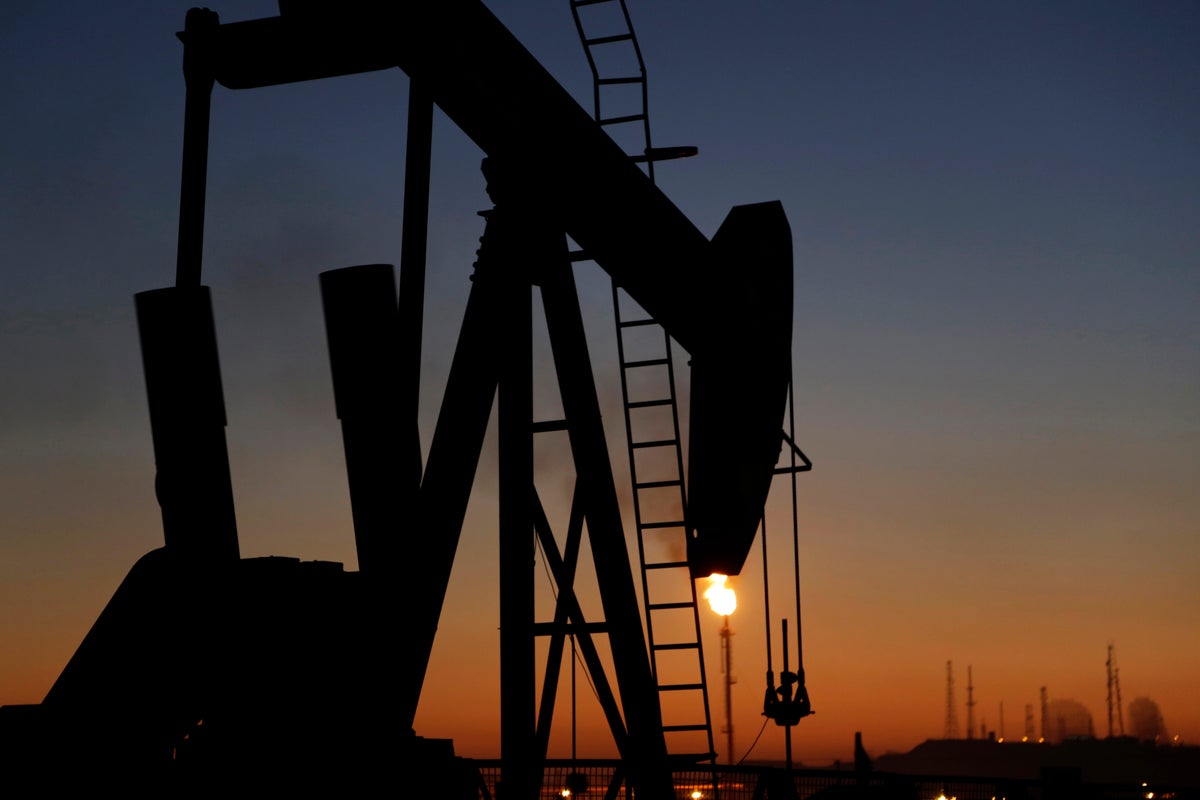
Attacks by the U.S. and Israel on Iran, and Iranian missile and drone attacks on neighboring countries, have disrupted oil and gas supplies to the rest of the world — and dealt an energy price shock to the global economy
Iran Live Updates: Oil Prices Soar as Fighting Escalates; Iran Picks Khamenei's Son as Leader, Defying Trump The New York Times
The Take: Why Israel’s war on Hezbollah keeps returning Al Jazeera
Mojtaba Khamenei has been chosen to replace his father Ayatollah Ali Khamenei as Iran’s supreme leader, while the country continues to be heavily bombarded by US and Israeli forces. There are concerns the move could lead to a further escalation of war in the Middle East, after Donald Trump warned that Khamenei was an ‘unacceptable’ choice. Lucy Hough speaks to diplomatic editor Patrick Wintour Continue reading...
Desmond Hewitt responds to an article by an Iranian citizen living in Tehran in the midst of the ongoing war The poignancy of the anonymous author’s article describing life in Tehran is almost too much to bear (‘Don’t die’: the two words that sum up our lives in Tehran now, 7 March). I would like to say to them and their friends who simply want to stay alive that there are many here among us, in the UK at least, who agree with you. In particular, your words on the oxymoronic dictatorial democratic narrative on the justification for yet another confected, misguided and maniacal war in the Middle East. The Alice Through the Looking Glass prism that the government of the world’s so-called largest democracy uses as its justification for the bombing of your country is sickening. Sickening because that country has stood by while the atrocities they claim to abhor take place elsewhere in the world. Continue reading...
Israel arrests journalists reporting on missile impacts The Israeli military has imposed strict limits on reporting about where missiles and rockets are landing and how many have been fired by Iran or Hezbollah. Al Jazeera reported that Israeli authorities have arrested journalists deemed to have revealed too much information on air. Two people were killed on Friday in an area near Ben Gurion Airport close to Tel Aviv. Eyewitnesses said some of the missiles fired by Iran appear to carry cluster warheads, which break apart and spread over a wide area, increasing the potential for damage. Emergency crews have been searching impacted areas to ensure there is no unexploded ordnance.
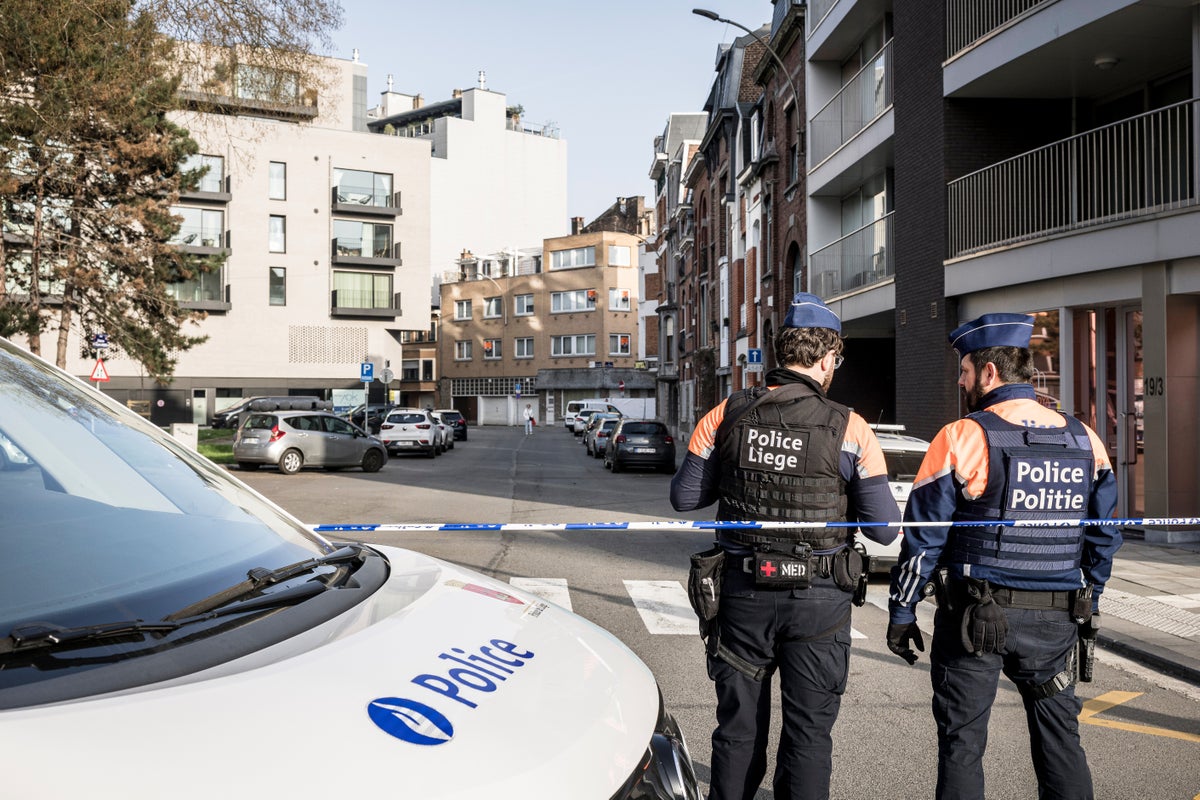
It comes as multiple countries tighten their security due to the US-Israel war on Iran
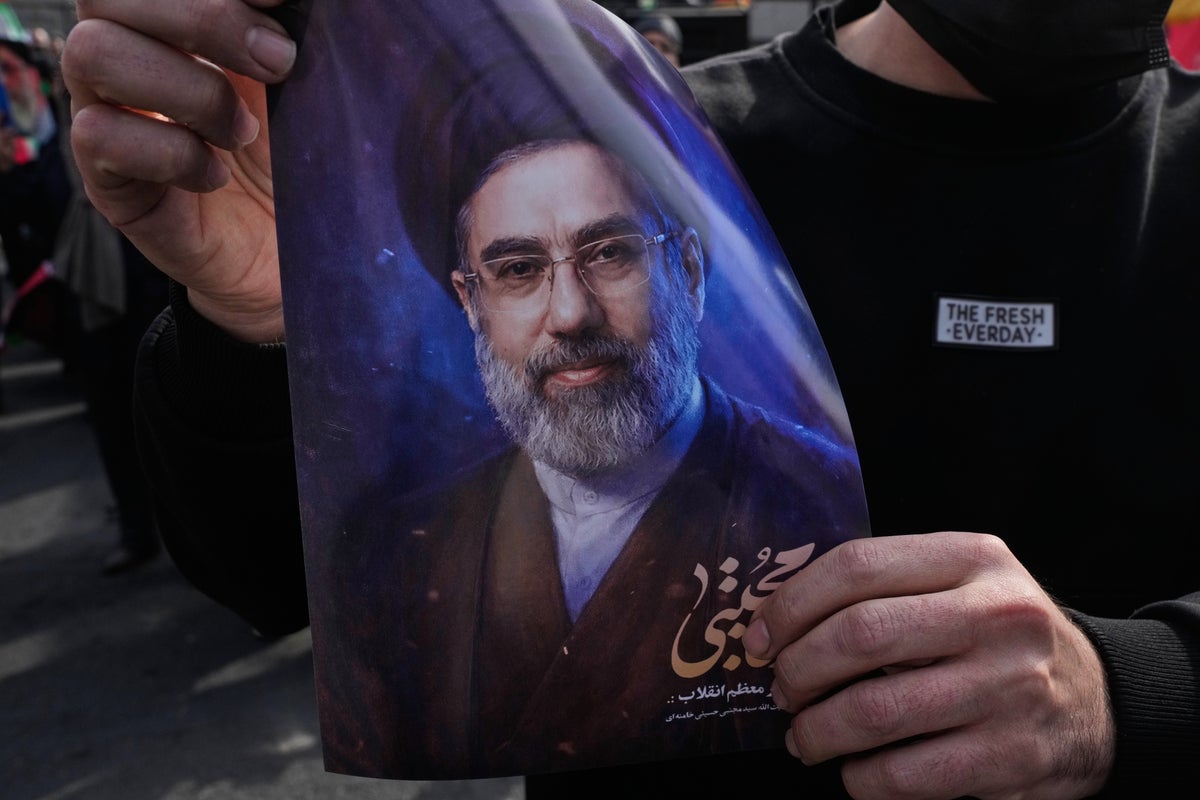
Photos from the ground as the Iran war launched by the United States and Israel enters its second week, and the son of the country’s late supreme leader becomes his successor.
President Donald Trump said on Sunday that Mojtaba Khamenei "is not going to last long" without US approval.

Price of oil has surged since US and Israel launched airstrikes towards Iran 10 days ago
Iran war's energy price shock is likely to spiral economy-wide Axios
Afternoon recap Good afternoon Middle East Eye readers, As Iran’s new supreme leader, Mojtaba Khamenei, assumes power, the Middle East remains under bombardment from multiple sides as the conflict enters its tenth day. Here's a round-up of all the latest: Iran's security chief Ali Larijani warned that the Strait of Hormuz will remain unsafe as long as the war with the US and Israel continues At least 16 people were killed in southern Lebanon, including a priest Turkish President Recep Tayyip Erdogan warns Tehran after Nato defences intercepted an Iranian missile in Turkey's airspace Qatar said it intercepted 17 ballistic missiles fired from Iran Oil prices rocketed above $100 a barrel for the first time since Russia's invasion of Ukraine in 2022 European stock markets dropped to their lowest level in more than two months Unicef said Israel is killing at least 10 children per day in Lebanon
Macron announces 'defensive' mission to reopen Strait of Hormuz RFI
Erdogan warns Iran against 'provocative steps' after second missile intercepted Turkey's President Recep Tayyip Erdogan again warned Tehran against taking "provocative steps" after Nato defence systems intercepted a second Turkey-bound ballistic missile launched from Iran. "Despite our sincere warnings, extremely wrong and provocative steps continue to be taken that will jeopardise Turkey's friendship. One should not engage in such behaviour," he said, adding: "Persistence and stubbornness in wrongdoing should be avoided".

submitted by /u/Playful_Leg7143 to r/worldnews [link] [comments]
Oil prices surge as Iran war continues WBUR

submitted by /u/F0urLeafCl0ver to r/worldnews [link] [comments]

Huge crude oil spike and Asia plummet: How the Iran war hit the markets Rayhan Uddin on Mon, 03/09/2026 - 15:27 Oil prices jumped to the highest levels since 2022, as South Korean and Japanese indices slump following Iranian closure of Strait of Hormuz A crude oil tanker is guided to a berth at the oil terminal at the port in Qingdao, in China’s eastern Shandong province on 7 March 2026 (CN-STR/AFP) Off The global commodity market was jolted as markets reopened on Monday, as the war on Iran continued to escalate over the weekend. Israel struck over 30 oil depots in Iran on Saturday, including in Tehran and Karaj. The strikes on depots went far beyond what the US expected when Israel notified it in advance, according to a report in Axios. Iran threatened to attack oil facilities in neighbouring countries in response. It launched a fresh wave of attacks on the Gulf on Sunday, with attacks reported in the UAE, Qatar, Bahrain and Kuwait. (adsbygoogle = window.adsbygoogle || []).push({}); Middle East Eye takes a look at how the war is impacting the markets. Crude oil soars above $100 Oil prices jumped to the highest levels since 2022, before falling back slightly. Brent crude prices soared as high as $119 per barrel, while US West Texas Intermediate (WTI) also rose to $119.48 a barrel. The price of Brent crude later dropped to around $105, as the Financial Times reported that G7 finance ministers would meet to discuss the potential joint release of petroleum from reserves co-ordinated by the International Energy Agency. In a post on Truth Social, US President Donald Trump insisted the spike would not last. (adsbygoogle = window.adsbygoogle || []).push({}); “Short term oil prices, which will drop rapidly when the destruction of the Iran nuclear threat is over, is a very small price to pay for U.S.A., and World, Safety and Peace,” he wrote. “ONLY FOOLS WOULD THINK DIFFERENTLY!" he added. Qatar, the world’s second largest producer of liquified natural gas, has been forced to close the Ras Laffan plant due to air strikes in the vicinity. Kuwait, Iraq, the UAE and Saudi Arabia have all reduced oil production, partly due to Iran blocking the Strait of Hormuz. These countries export oil to Asia via the narrow maritime channel between Iran and Oman. (adsbygoogle = window.adsbygoogle || []).push({}); Strait of Hormuz closure hits Asian markets Asian market indices took the brunt of investor anxiety following the outbreak of war. As markets opened on Monday morning, Japan’s Nikkei 225 dropped by around 5.2 percent, while South Korea’s KOSPI slumped 6.2 percent over the weekend. There were smaller drops elsewhere: Hong Kong’s Hang Seng Index was down by 1.8 percent, while India’s NIFTY 50 fell by around 2.5 percent. South Korea and Japan’s market indices have plummeted since the war began nine days ago. The KOSPI is down 16 percent, while the Nikkei 225 has fallen around 10 percent. Australia’s ASX 200 has fallen 6 percent over that period. The drop in Asian equity markets is linked to the global energy shock caused by the war, but also specifically the reliance on the Strait of Hormuz for oil exports. South Korea receives around 70 percent of its crude oil from the Middle East, while Japan imports around 90 percent. UK and EU markets dip Markets tumbled in Europe too on Monday. London’s FTSE 100 fell by 1.7 percent in early trading, reaching its lowest level since mid-January. Meanwhile, both Germany’s DAX and the CAC in Paris dipped by around 2.4 percent. The pan-European Stoxx 600 fell by 2 percent. In the currency markets, the pound was 0.8 percent down against the US dollar, at $1.331. It was the biggest daily fall in over a month. UK Prime Minister Keir Starmer said supporting British people with the cost of living and energy bills would be at the top of his mind. UK government bonds tumbled for a third day too, as investors weighed up the impact of the war on the British economy. US dollar rallies The US dollar index, which measures the currency against a basket of six major peers, climbed to 99.57 - its highest in three months. This was partly sparked by traders revising inflation expectations, with the war meaning the Federal Reserve could delay a cut to interest rates. Like other markets around the world, US stocks dropped on Monday - though less severely than in Asia and Europe. The S&P 500 fell by 1.1 percent early on Monday, while Nasdaq 100 fell 1 percent. Markets reacted to Iran naming Mojtaba Khamenei, the son of slain Ayatollah Ali Khamenei, as its new supreme leader, and keeping up attacks on countries in the region. They saw that, coupled with Trump’s recent statements, as signs of a prolonged war. Gold falls while agricultural markets rise Gold fell 2 percent, amid concerns of the war driving up inflation. Spot silver was down 0.3 percent on Monday, while platinum lost 1 percent and palladium fell 1.3 percent. Meanwhile, aluminium soared to its highest in four years due to supply concerns amid the war. Benchmark three-month aluminium on the London Metal Exchange hit its highest since March 2022 at $3,544 per ton. In agricultural markets, Malaysian palm oil rose 9 percent and Chicago soybean oil climbed to its highest since 2022 - both driven by the crude oil hike. Wheat also rose to its highest since June 2024, while corn prices hit a 10-month high. War on Iran News Post Date Override 0 Update Date Mon, 05/04/2020 - 21:19 Update Date Override 0
What Is Life Like Beneath the Bombs of the Iran War? Reason Magazine