News
12,736 articles from 50+ sources
Iran says more than 1,300 civilians have been killed and nearly 10,000 civilian sites have been hit by Israel and US.

TEHRAN, Mar. 11 (MNA) – A senior spokesman for the Iranian Armed Forces has warned of the US and Israeli aggressors in attacking the residential areas and martyring the civilians in the country.
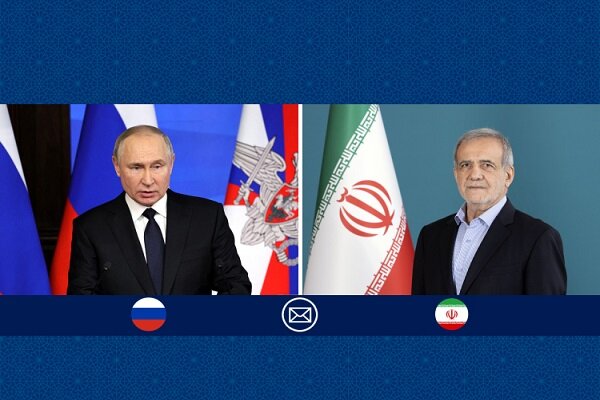
TEHRAN, Mar. 11 (MNA) – Iranian President Masoud Pezeshkian has stressed the need for the international community to condemn criminal aggression by the United States and the Israeli regime against Iran in the international forums.

Israel strikes apartment building in central Beirut, Lebanese state media say Israeli strikes targeted an apartment building in central Beirut on Wednesday, Lebanese state media said, marking the second strike in the city in recent days. A previous strike in Beirut killed five members of Iran's Islamic Revolutionary Guard Corps on Sunday. A fireball rises from the site of an Israeli air strike that targeted an area in Beirut’s southern suburbs overnight 10 to 11 March, 2026. (Fadel Itani / AFP)
Iran's new supreme leader 'safe and sound' despite war injuries, president's son says Iran's new supreme leader 'safe and sound' despite war injuries, the president's son said on Wednesday. Mojtaba Khamenei has been named Iran’s new supreme leader on Sunday, just over a week after Israeli-US strikes killed his father, Ayatollah Ali Khamenei, along with several family members, including the new leader's wife Zahra Adel, his mother Mansoureh Khojasteh Bagherzadeh, a son and a sister.

Iran vows response to strikes on residential areas Iran will respond to recent US-Israeli strikes in residential areas, Defapress quoted the armed forces spokesperson as saying on Wednesday, after the heaviest strikes on the country since the war started. Abolfazl Shekarchi also urged regional countries and fellow Muslims to indicate "US-Zionist hiding places" to maximise the precision and impact of Iranian strikes while minimising harm to civilians, who he said are "used as human shields". Smoke rises from a building following a reported strike, amid the US-Israeli war with Iran, in Tehran, in this screen grab obtained from social media video released 11 March, 2026. (Reuters)
Iranian UN Envoy reports over 1,300 civilian casualties following U.S. and Israeli strikes AKIpress News Agency

How a GCC energy embargo could halt the US-Israel war on Iran Ali Bakir on Mon, 03/09/2026 - 10:28 The GCC possesses a radical, unconventional, and highly effective tool to force an end to the hostilities; a collective and complete halt of all oil and gas exports Smoke rises following a strike on the Bapco Oil Refinery, amid the US-Israeli war on Iran, on Sitra Island Bahrain on 9 March, 2026 (Reuters) On The US-Israel war on Iran has rapidly deteriorated into a regional crisis, dragging the Gulf Cooperation Council (GCC) states into a war they did not seek. As the fighting intensifies, the GCC countries - Saudi Arabia, the UAE, Qatar, Kuwait, Bahrain, and Oman - find themselves caught in the crossfire. With Israel pushing the United States into the conflict and Iran adopting a strategy of attrition, the Gulf states are bearing the brunt of the economic and security fallout. In this precarious situation, traditional diplomacy and defensive measures are proving insufficient. However, the GCC possesses a radical, unconventional, and highly effective tool to force an end to the hostilities: a collective and complete halt of all oil and gas exports under force majeure situation. The current dynamics of the war offer no incentives for the primary belligerents to cease fighting. For Israel, the costs remain minimal, as the United States shoulders the heavy lifting of military operations. Meanwhile, Iran is committed to a prolonged war of attrition, aiming to weaken its adversaries through sustained pressure rather than decisive military victories. (adsbygoogle = window.adsbygoogle || []).push({}); A key component of Iran's strategy involves targeting critical infrastructure in neighbouring GCC countries, thereby disrupting energy production and heightening economic pressures globally. Severe consequences The GCC states are already paying a heavy price. Iranian drones and missiles have struck vital energy sites across the region. In Qatar, attacks on the Ras Laffan LNG complex - the world's largest - forced a halt in production and a declaration of force majeure on shipments. In first week of war on Iran, Gulf states shutter energy production and oil soars Read More » Saudi Arabia's Ras Tanura refinery, with a capacity exceeding 500,000 barrels per day, faced precautionary closures following drone interceptions. Similar incidents have occurred at the UAE's Fujairah oil field and Kuwait's Ahmadi refinery. Furthermore, attacks on tankers near the Strait of Hormuz have disrupted a chokepoint that handles approximately 20 percent of global oil and gas shipments. These attacks have immediate and severe economic consequences. Brent crude prices have surged, and natural gas prices in Europe spiked by over 54 percent following Qatar's LNG halt. Global stock markets have tumbled, and fears of sustained disruptions are raising inflation risks worldwide. For the GCC, the pressure is dual; they must either absorb these mounting losses through heightened security measures and economic strain, or retaliate and risk deeper direct pro-active involvement in the war, which would be framed by Israel as joining the US-Israel coalition. Both paths plunge the region into chaos, drain resources, and increase defence costs without offering any clear benefits. The Gulf countries have thus far acted with high responsibility, striving to absorb and contain the war's repercussions. However, their defensive capabilities are not unlimited. Mediation efforts are unlikely to succeed, as US calculations remain primarily tied to Israel's interests rather than those of the GCC The financial costs of maintaining high alert and intercepting incoming threats are increasing daily. Defensive interception missiles cannot withstand cheap and unlimited attacks from the Iranian side for extended periods. If stocks of defensive missiles run out, replenishing them will be difficult, costly, and unsustainable. At that point, the options available to GCC countries will be exceedingly challenging as they become extremely vulnerable to the escalation of the war. They will face enormous financial and economic losses, including increased targeting of vital economic infrastructure, the departure of foreign labour, and the inability to secure basic necessities amid a prolonged war. Mediation efforts are unlikely to succeed, as US calculations remain primarily tied to Israel's interests rather than those of the GCC. The radical solution Given the bleak outlook and the exhaustion of traditional options, a unified GCC decision to cease all oil and gas exports until the war ends emerges as a rational, albeit radical, measure under force majeure situation. This would not be an act of aggression, but a defensive manoeuvre to protect vital assets under threat, and force a resolution to a conflict that is destroying regional stability. Israel planned this war on Iran for 40 years. Everything else is a smoke screen Read More » The GCC produces about 20 percent of global oil and a significant share of the world's liquefied natural gas (LNG). A collective halt would create a global economic shock, instantly shifting the balance of power and giving the GCC countries the initiative. They would transform from victims dragged into a war by force of circumstance into decisive actors determining its fate. A total suspension of GCC energy exports would compel the United States, Israel, and Iran to immediately reassess their positions. The resulting energy shortages would likely trigger global pressure, fuelling massive public backlash in the West. The shock of the closure would elevate the grievances of the American public, pressuring the US administration to shift its focus from Israel's interests to domestic economic survival. For Iran, whose economy is already strained by sanctions, export disruptions and war, the added pressure of a global economic crisis and the potential loss of any remaining revenue streams could force concessions. The US and Israel, facing severe domestic economic fallout, would be pushed toward negotiations. Reclaiming control The GCC has a clear and compelling justification for such an action. Their facilities are being targeted slowly and painfully without provocation. They are being dragged into the war by the US and Israel, paying more for defence and security while enduring Iranian attacks. The bloc has the right to safeguard its sovereignty and protect its infrastructure. While the costs of an embargo would be enormous for the Gulf countries, they are already incurring massive costs, while lacking control over the war's course. As long as the primary belligerents face minimal costs or pursue strategies of attrition, the conflict will continue to drain Gulf resources and destabilise the region Ultimately, they may be forced to stop the flow of oil and gas anyway due to direct targeting or threats from the conflicting parties. By taking the initiative, the GCC can control the timing and narrative of the shutdown. Furthermore, the GCC states possess substantial financial buffers. Their sovereign wealth funds, holding trillions of dollars, could absorb short-term revenue losses. Swift steps to secure liquidity through the sale of assets or future investments prior to the embargo would help mitigate the initial shock. Additionally, the higher prices resulting from scarcity might offset reduced volumes once exports resume. As long as the primary belligerents face minimal costs or pursue strategies of attrition, the conflict will continue to drain Gulf resources and destabilise the region. In this dire context, a collective decision by the GCC to halt all oil and gas exports stands as the single most powerful, non-military measure available to end the war. By leveraging their unparallelled position in global energy markets, the GCC countries can force the international community to intervene and compel the warring parties to the negotiating table. While the decision carries significant risks and costs, it offers the GCC a chance to reclaim control over their destiny, shifting from passive victims to the architects of regional peace. The views expressed in this article belong to the author and do not necessarily reflect the editorial policy of Middle East Eye. War on Iran Opinion Post Date Override 0 Update Date Mon, 05/04/2020 - 21:29 Update Date Override 0
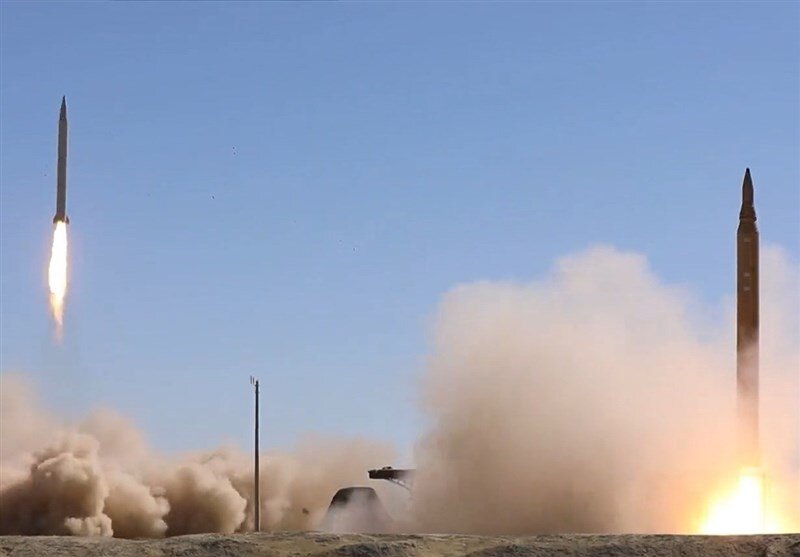
TEHRAN, Mar. 11 (MNA) – The Public Relations Office of the IRGC has said 37th wave of Operation “True Promise-4” was carried out with the most severe and heavy attacks against positions of aggressors which was unprecedented since the outbreak of war.

Father Pierre al-Rai of Qlayaa vowed days before fatal strike to remain in parish despite Israeli evacuation warning: 'When we defend our land, we defend it peacefully' The post Pope mourns Lebanese priest reportedly killed by IDF while aiding wounded villagers appeared first on The Times of Israel.
Qatar says intercepted missile attack Qatar's Ministry of Defence says its armed forces intercepted a missile attack targeting the country earlier. تعلن وزارة الدفاع القطرية عن تصدي القوات المسلحة لهجمة صاروخية استهدفت دولة قطر. pic.twitter.com/KbPSSTSS3o March 11, 2026
Sri Lanka court orders 84 sailors' bodies be handed to Iran embassy: Report A Sri Lankan court has ordered that the bodies of 84 sailors killed in an attack on an Iranian warship off the country's coast be handed over to the Tehran's embassy, local media reported on Wednesday. Last week, a US submarine struck the Iris Dena while it was returning from a naval exercise organised by India, killing over 80 people.

TEHRAN, Mar. 11 (MNA) – Iranian Foreign Minister Abbas Araghchi and his Indian counterpart Subrahmanyam Jaishankar held a telephone conversation late on Tuesday to discuss the latest developments in the region and US-Israeli aggression against Iran.
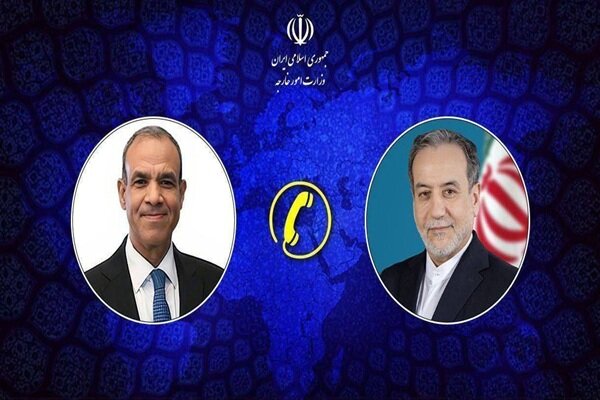
TEHRAN, Mar. 11 (MNA) – Iranian Foreign Abbas Araghchi and his Egyptian counterpart Badr Abdelatty held a phone call latest on Tuesday to discuss the US-Israeli aggression against Iran.
The ‘orphan pearl’: Inside Kharg, the beating heart of Iran’s oil empire Al Jazeera
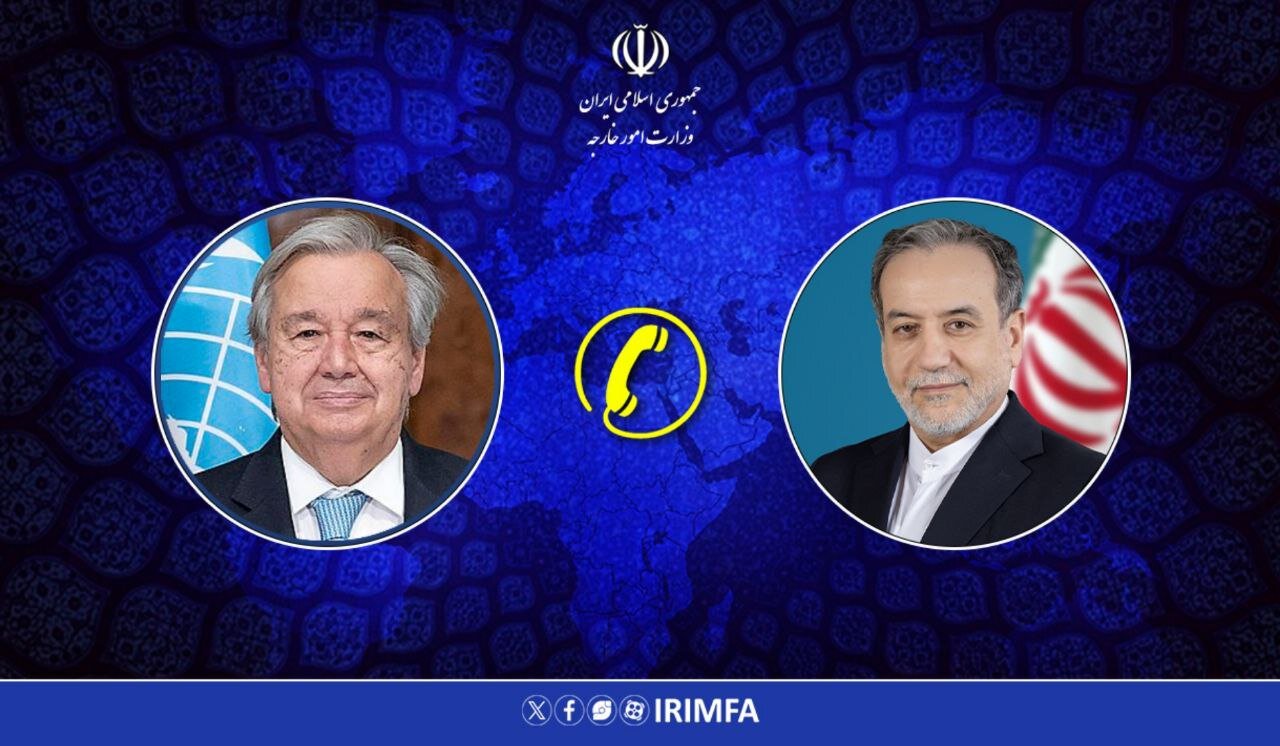
TEHRAN, Mar. 11 (MNA) – Iranian Foreign Minister Abbas Araghchi and UN Secretary-General Antonio Guterres held a telephone conversation on Wednesday to discuss the latest developments on US-Israeli aggression against Iran.
Nearly 160 deaths recorded across the premier engineering colleges in past two decades - 69 of them in last five years.
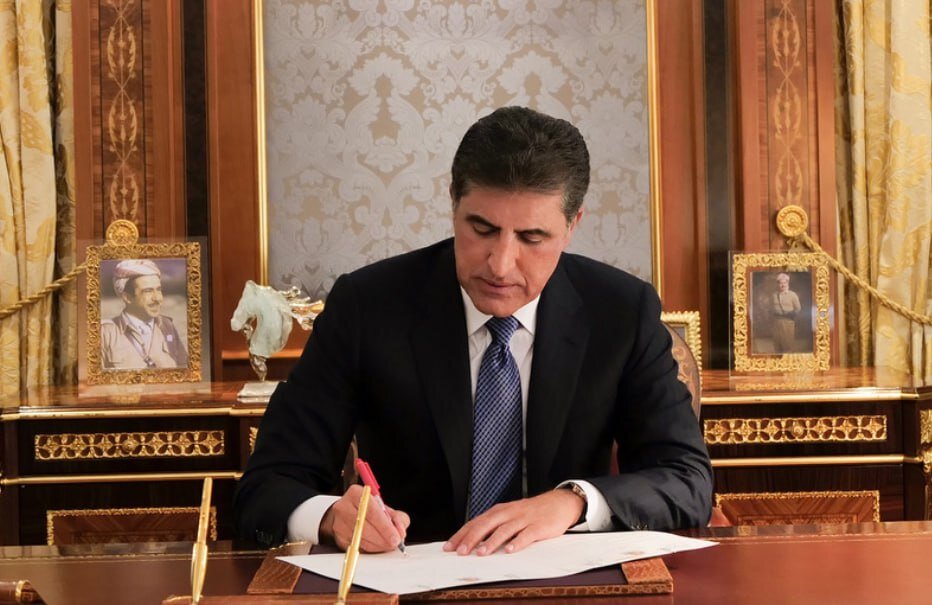
TEHRAN, Mar. 10 (MNA) – Nechirvan Barzani, the head of Iraq’s Kurdistan region, on Tuesday congratulated Ayatollah Mojtaba Khamenei on his appointment as Iran’s new leader.
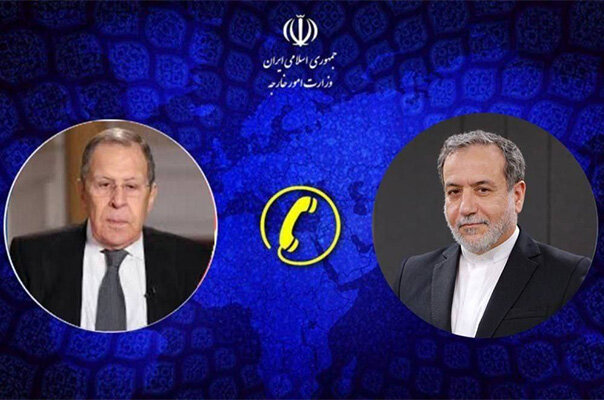
TEHRAN, Mar. 11 (MNA) – Iranian Foreign Minister Abbas Araghchi has told his Russian counterpart Sergey Lavrov that his country is firmly determined to defend its national sovereignty and territorial integrity against US-Israeli aggression.
Iranian spokesman vows to respond to Israeli-US attacks on residential areas Iran will respond to recent US-Israeli strikes in residential areas, a local news outlet quoted the Iranian spokesman Abolfazl Shekarchi as saying on Wednesday. Shekarchi also urged regional countries and fellow Muslims to indicate US-Israeli "hiding places" to maximise the precision and impact of Iranian strikes while lessening harm to civilians, who he said are "used as human shields".