News
12,736 articles from 50+ sources
How US-Israeli war on Iran is upending global business Reuters
Iran names Mojtaba Khamenei supreme leader as war fuels spike in oil prices Fox News
Erdogan warns Iran against 'provocative steps' after second missile intercepted Turkey's President Recep Tayyip Erdogan again warned Tehran against taking "provocative steps" after Nato defence systems intercepted a second Turkey-bound ballistic missile launched from Iran. "Despite our sincere warnings, extremely wrong and provocative steps continue to be taken that will jeopardise Turkey's friendship. One should not engage in such behaviour," he said, adding: "Persistence and stubbornness in wrongdoing should be avoided".

submitted by /u/Playful_Leg7143 to r/worldnews [link] [comments]
Oil prices surge as Iran war continues WBUR
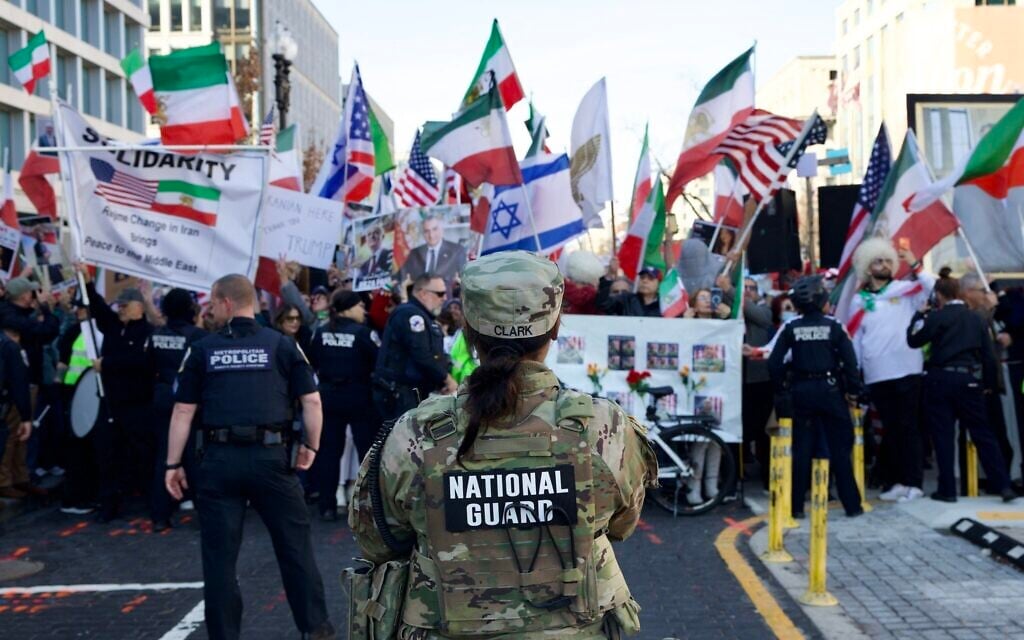
About half of US Jews surveyed think war will exacerbate antisemitism and anti-Israel sentiment, though only 12% assess Netanyahu was main driver in decision to launch attacks The post 68% of ‘connected’ American Jews back the US-Israel war against Iran, survey finds appeared first on The Times of Israel.

submitted by /u/F0urLeafCl0ver to r/worldnews [link] [comments]
How the UK's gas addiction keeps energy bills high despite rising role of wind and solar
Bill Kaplan: War with Iran, then what? WisPolitics
.png?width=1200&auto=webp&trim=0%2C0%2C0%2C0)
Have your say: Ed Davey has urged King Charles to scrap his US trip as Trump’s attacks on Sir Keir Starmer put the state visit in question

submitted by /u/SuperXGamerAb to r/worldnews [link] [comments]
Kentuckian is seventh solider to die in Iran war, says Pentagon Kentucky Lantern
What Is Life Like Beneath the Bombs of the Iran War? Reason Magazine
Ministry of National Defence says no casualties or damage after missile shot down over southern city of Gaziantep.
By Olivia Le Poidevin GENEVA, March 9 (Reuters) - The United Arab Emirates ambassador to the United Nations in Geneva called on Monday for a de-escalation of the U.S.-Israeli war with Iran and a return to negotiations. Oil prices have surged as some major producers cut supplies and stock markets have gone into a nosedive since the war began on February 28, and Iran has fired on Gulf states that host U.S. military bases, causing travel and business disruptions.

Former IDF spokesperson Lt. Col. Peter Lerner talks Israel’s communication strategy. Why do Israel and the US communicate differently, and how do fake AI videos shape coverage? The post The War Over the Narrative appeared first on The Times of Israel.

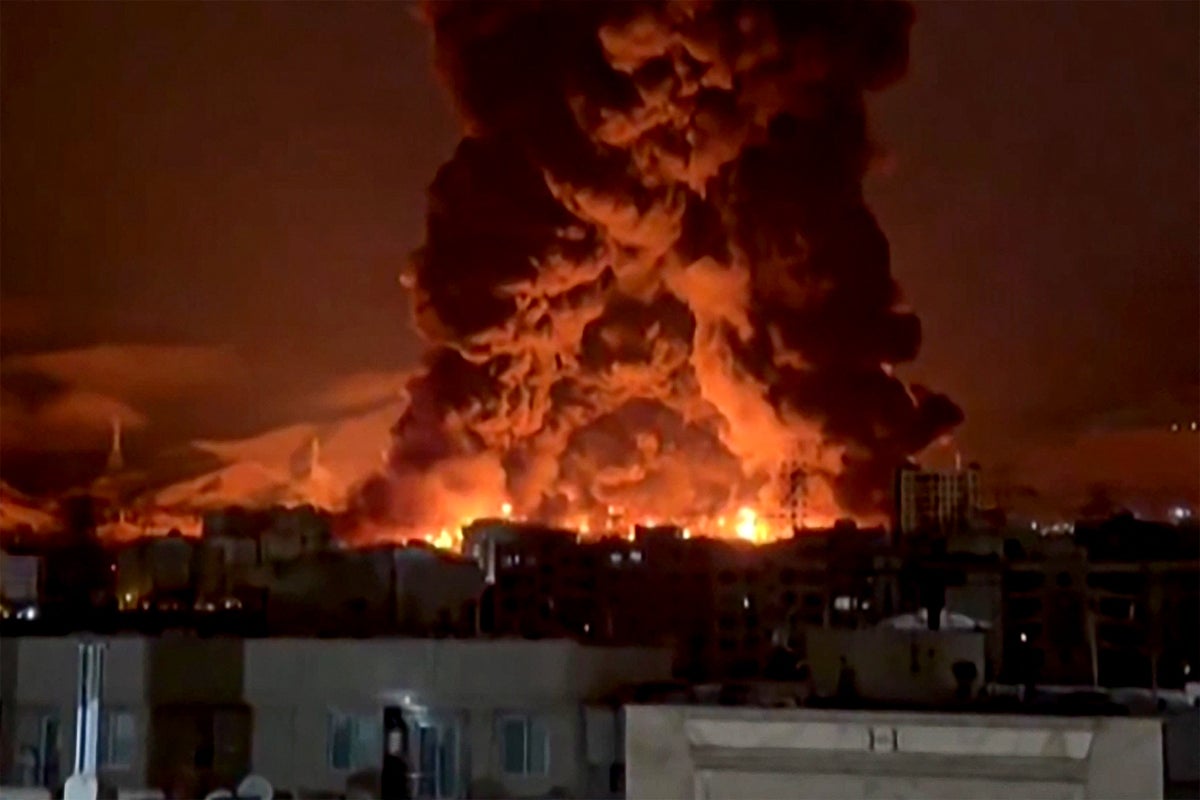
Iran's Jews feeling fear and heartbreak as US-Israeli strikes rain down MEE correspondent on Mon, 03/09/2026 - 14:27 'I cannot see the country where I was born and raised as my enemy,' one Jewish Iranian businesswoman tells MEE Iranian Jews hold a pro-Palestinian gathering in Tehran on 30 October 2023 (Atta Kenare/AFP) Off Yosef, an Iranian Jew who studied history at university, is talking to Middle East Eye about the distinction between Judaism and Zionism. Part of a small community that now numbers less than 10,000 in a country of 90 million, Yosef – like other Iranian Jews – is trying to stay safe from air and missile strikes that often originate in Israel, a country he is supposed to feel some affinity with. “It is Zionism that has damaged Israel’s reputation around the world,” he says. “Today there is hardly any influential left-wing movement left in Israel. The competition is between hard-right politicians and even more radical ones.” Yosef describes himself as a strong critic of Zionism, which he believes has played a major role in destabilising the entire Middle East. “What happened in Gaza will remain in history,” he says, referring to Israel’s genocide. “The shame of it will stay with Zionism and those who supported it.” (adsbygoogle = window.adsbygoogle || []).push({}); With Israeli strikes on oil sites now turning the skies above Tehran black, Yosef is frustrated with Iranians who support Israel’s actions. “When I see some of my fellow Iranians believing Netanyahu’s speeches, it makes me very sad,” he says. “They should listen carefully to his messages to the people of Syria, Lebanon and Palestine to understand who they are dealing with.” 'Yes, I’m Jewish. But I cannot see the country where I was born and raised as my enemy' - Sara, Jewish Iranian businesswoman Sara, a 46-year-old businesswoman from Shiraz, is particularly angry with the Israeli prime minister. She places much of the blame for the current war on Netanyahu. “Even inside Israel, many people hate this charlatan,” she says bluntly. “To cover up his financial scandals, he will do anything to shift attention away from himself.” Netanyahu faces charges of bribery, fraud and breach of trust in three separate cases launched in 2019. His scheduled appearances in court have frequently been delayed because of Israel’s wars. “Yes, I’m Jewish. But I cannot see the country where I was born and raised as my enemy,” Sara says. “I am both Jewish and Iranian. Because of that, I believe I can judge this situation without hatred. Much of the chaos we have seen in the region in recent years is connected to Netanyahu’s policies.” Iran's small Jewish community Iran’s Jewish population has declined significantly since the 1979 Islamic revolution. Before it, estimates suggested that between 70,000 and 100,000 Jews lived in Iran. After the revolution and the break in relations between Tehran and Israel, many left the country. Iran’s most recent census, in 2016, placed the number of Jews at just over 9,000, though some members of the community believe the real number is higher. 'When I see missiles hitting Israeli cities, it makes me sad. When I see Israeli and American fighter jets flying over my city, it makes me sad too' - Daniel, Iranian Jewish jeweller Conversations with Iranian Jews reveal a mosaic of opinions about the personal dilemmas and tensions raised by the war. Jewish citizens of Iran are watching a war between their country and Israel, the state established by force as a homeland for the Jewish people. Daniel, 52, works in a jewellery shop in Tehran. Like many others, he is anxious about the consequences of the war and speaks cautiously about his views. “I don’t remember the time before the revolution,” he says. “But my parents and older relatives always told us that Iran and Israel once had close relations. They never imagined that one day the two countries would be in a situation like this.” Daniel spends most of his time at home right now, following the war on Persian and Hebrew news channels. “I don’t know what will happen,” he says quietly. “But this is a terrible war. I wish it had never happened. When I see missiles hitting Israeli cities, it makes me sad. When I see Israeli and American fighter jets flying over my city, it makes me sad too. The explosions keep us awake at night.” Daniel avoids offering a clear political judgment about the conflict. He does not say why, but the reason is easy to guess. Speaking openly about such matters is risky in Iran, especially during wartime. (adsbygoogle = window.adsbygoogle || []).push({}); Anger at Islamic Republic Not everyone is as critical of Israel as Sara and Yosef. But expressing different opinions openly can be difficult. Arash, 71, owns a small restaurant in Tehran. He admits that speaking about the war is uncomfortable. 'The level of anger toward the Islamic Republic is so high that many Iranians today see Jews as friends' - Arash, Jewish Iranian restaurant owner “It’s not easy to talk about these things,” he says. “Especially during wartime. This is a war between two countries that you feel connected to.” He pauses, then continues. “But the real question is: who first promised to destroy the other? The policies of the Islamic Republic helped bring the situation to this point.” Arash believes that in recent years, attitudes toward Jews inside Iran have improved. “The level of anger toward the Islamic Republic is so high that many Iranians today see Jews as friends,” he says. But he quickly adds that he still sees himself first and foremost as Iranian. “Don’t forget that I am also Iranian. It makes me sad that the policies of this government have brought the country to this situation.” Like many older members of the community, Arash says emigration is no longer easy. “Over the years many Jews have left Iran and moved to Israel,” he says. “For people our age it’s much harder to leave. But look around, even many Muslims are emigrating. Why? Because under the Islamic Republic, people don’t see a future here.” Fear for the future As the war between Iran and Israel enters its second week, there is still no clear sign of when it might end. For many Iranian Jews, the greatest fear is not just the current fighting, but what might come next. Names and ages of children killed in strike on Iranian school Read More » Speaking before the weekend strikes on oil facilities in Tehran, Yosef tells MEE that the “worst possible scenario” would be attacks on Iran’s infrastructure aimed at forcing the Islamic Republic to surrender. Now that scenario is here. Yosef adds one final thought. “We have to be realistic. The military power of Israel and the United States is many times greater than Iran’s,” he says. "I hate waking up every night to the sound of missiles and explosions. "But what I fear most is that the final result of this war will destroy the country I love.” War on Iran Tehran News Post Date Override 0 Update Date Mon, 05/04/2020 - 21:19 Update Date Override 0

submitted by /u/Normal-Actuary5036 to r/worldnews [link] [comments]
The Pentagon Cut Its Civilian Safeguards Before the Iran War The Atlantic
How war in Iran is affecting gas prices in Texas Spectrum News