News
12,736 articles from 50+ sources
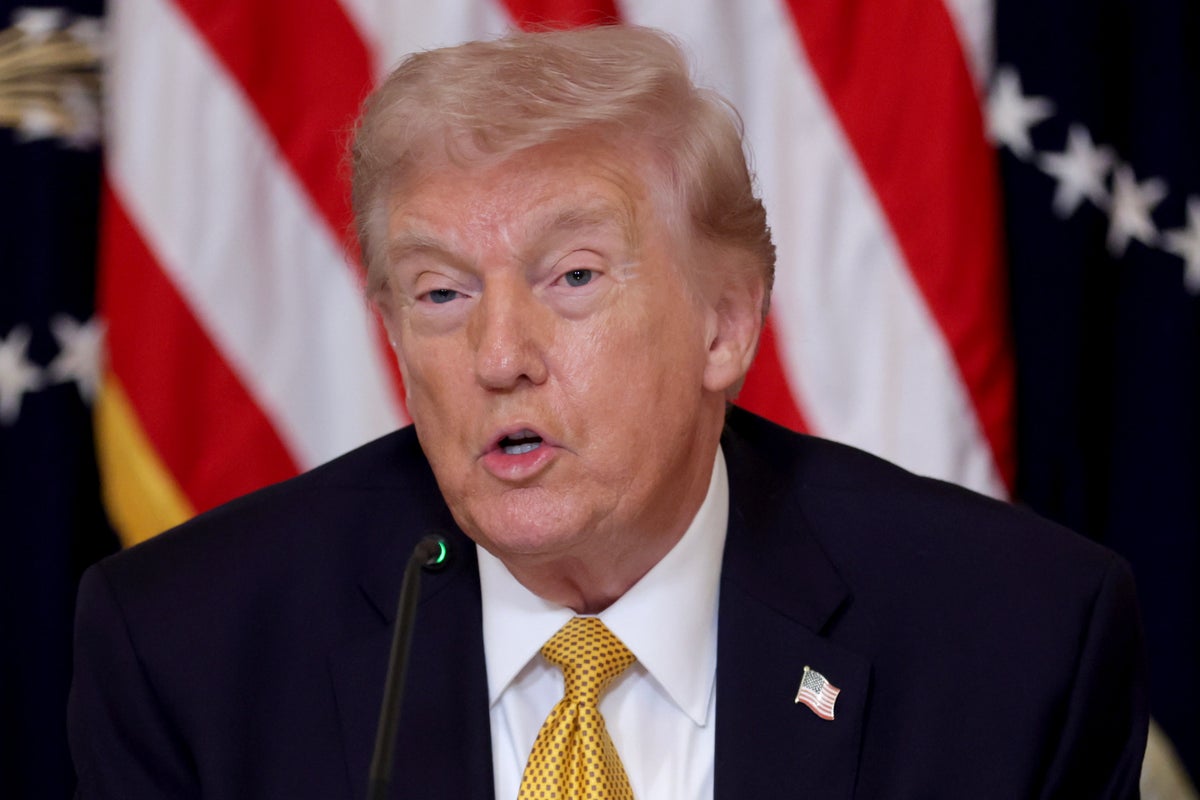
Trump again urges nations to help reopen of Strait of Hormuz New York Post

submitted by /u/1-randomonium to r/geopolitics [link] [comments]
Here are five of the biggest stories from around the world today
US Allies Wary of Joining Trump’s Strait of Hormuz Mission Yahoo Finance
Israel conducts 7,600+ strikes on Iran in 13 days, Iran fires hundreds of missiles and drones at Israel Long War Journal
Iran war is the latest 'worst-case scenario' for travel, expert says. How to minimize the pain of future disruptions CNBC
Mike Robinson: Casualties of Iran war fall far from the bombsites Stop Climate Chaos Scotland
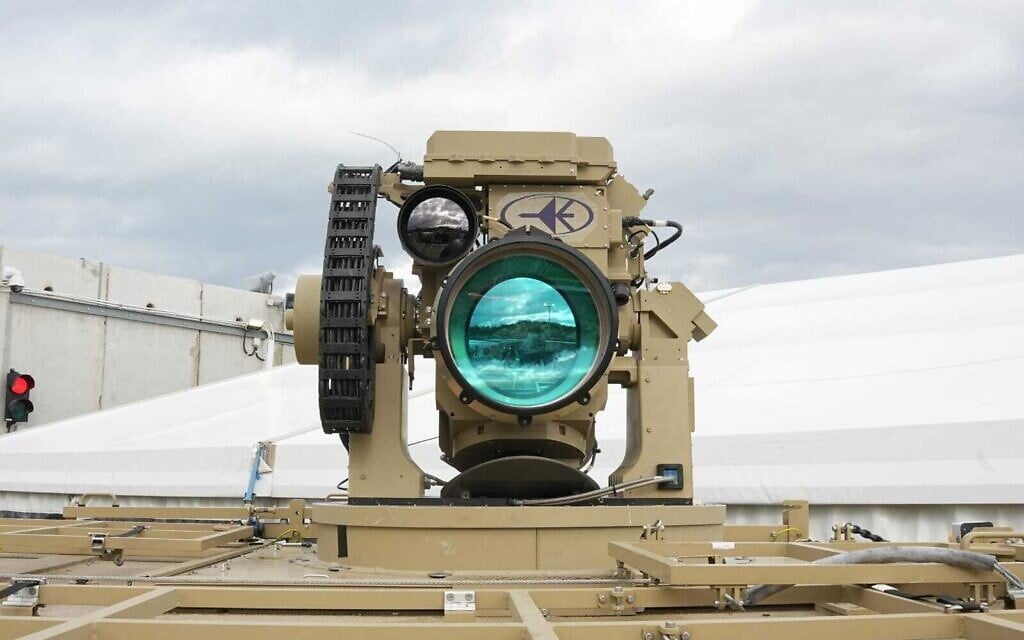
Large initial investment in systems like those being developed by Israel, China and Ukraine could help shrink cost of interception to just 'pennies per shot,' says designer The post Surge in drone attacks sharpens focus on laser defense appeared first on The Times of Israel.
Trump says Israel wouldn't use a nuclear weapon while taking questions on Iran war CBS News
Trump Ally’s Nuclear ‘Detonations’ Post on Strait of Hormuz Raises Eyebrows Newsweek

submitted by /u/consulent-finanziar to r/worldnews [link] [comments]
US responsible for deadly attack on Iranian school: Amnesty International Al Jazeera
The Gulf states’ offensive options against Iran The International Institute for Strategic Studies
European leaders reject military involvement in Strait of Hormuz Al Jazeera
Turkey condemns Israel’s Lebanon invasion, warns of ‘new humanitarian catastrophe’ Turkey has strongly condemned Israel’s ground invasion of southern Lebanon, warning that the assault risks plunging the region deeper into crisis. In a statement, the Turkish Foreign Ministry accused Israel’s leadership of extending destructive policies beyond Gaza. “The [Benjamin] Netanyahu government’s implementation of genocidal and collective punishment policies, this time in Lebanon, will lead to a new humanitarian catastrophe in the region,” the ministry said. Ankara also stressed its support for Lebanon as Israeli forces expand operations across the border. “We reiterate our solidarity with Lebanon in the face of these attacks, which violate Lebanon’s sovereignty and territorial integrity.”
WASHINGTON, March 16 (Reuters) - President Donald Trump on Monday repeated his call to nations to help unblock the Strait of Hormuz, and appeared to criticize countries he said were not enthusiastic about providing aid. Trump wants nations to help police the strait after Iran responded to U.S.-Israeli attacks by using drones, missiles and mines to effectively close the channel for tankers that usually transport a fifth of global oil and liquefied natural gas.

War on Iran: These are the heritage sites devastated by US and Israeli attacks Rayhan Uddin on Mon, 03/16/2026 - 15:37 From Isfahan to Tehran to Khorramabad, Israeli and American strikes have damaged landmarks, including some inscribed by Unesco Debris at the historical monument Golestan Palace after it was damaged in strikes, Tehran, Iran, on 3 March (Majid Asgaripour/West Asia News Agency via Reuters) Off Iran’s history is layered with conquest, cultural renewal and craftsmanship - all of which can be seen in its remarkable heritage sites. The iconic turquoise domes of Isfahan and the intricate interiors of mosques and palaces across the country are internationally renowned. Iran's architectural heritage can be divided roughly into two eras. The first is the pre-Islamic period, which included Iranian empires such as the Achaemenids and Sassanids, and the second involves a succession of Islamic empires and states, starting with the Rashidun caliphate and ending with the Qajar state until the early 20th century. Iran has 29 sites recognised as World Heritage Sites by Unesco - the tenth most sites in the world. But these sites have come under attack over the past two and a half weeks by Israel and the US. From Isfahan to Tehran to Khorramabad, Israeli and US strikes have devastated Iranian landmarks, including several inscribed by Unesco. (adsbygoogle = window.adsbygoogle || []).push({}); As the war drags on and the precedent is set, more heritage sites are at risk, with one Iranian official describing the attacks as a “declaration of war on a civilisation”. Middle East Eye takes a look at the sites that have been damaged so far. Golestan Palace On 1 March, a day into the conflict, a strike damaged Golestan Palace - the only Unesco World Heritage Site in Tehran. The blast from a missile strike nearby blew out the palace’s windows and damaged the iconic mirrors and glasswork in the complex, according to images published by Iranian media. Seyyed Ahmad Alavi, head of Tehran’s tourism and heritage committee, said the blast had also damaged historic Orsi doors and lifted sections of tarmac within the grounds. Israel is bombing Iranian historical monuments dating as far back as the 14th century. Multiple UNESCO World Heritage Sites have been struck. pic.twitter.com/7eu09Cjiyf March 12, 2026 Golestan Palace was originally built during the Safavid period in the 14th century. (adsbygoogle = window.adsbygoogle || []).push({}); Most of its current features and ornaments date from the 19th century during the Qajar era, when it became the seat of the dynasty’s government. The Qajars made Tehran the country’s capital in 1786. It consists of eight palace structures, most of which now serve as museums, as well as a garden complex surrounded by a gated wall. Chehel Sotoun Palace A string of key heritage sites in Isfahan were damaged by US-Israeli attacks, including the Chehel Sotoun Palace (Forty Columns). Pictures published by Iranian media showed broken doors, smashed windows and debris scattered throughout the palace. The site, commissioned by Abbas I, the Safavid shah often known as Abbas the Great, is famed for its frescoes depicting battle scenes and royal receptions. Iran - US and Israel war https://t.co/dsM1sksxSg@GeoConfirmed pic.twitter.com/ONHmSiARrQ March 9, 2026 Footage online showed a large crack down the middle of a 17th-century fresco depicting Safavid Shah Tahmasp welcoming Mughal ruler Humayun to Iran. (adsbygoogle = window.adsbygoogle || []).push({}); The gardens of the palace are part of nine historic gardens in Iran that have together been inscribed as a Unesco World Heritage Site. Ali Qapu Palace Near Chehel Sotoun, the Ali Qapu palace was also damaged. Local media reported that the doors and windows of the complex had been shattered. Ali Qapu is inscribed as a Unesco World Heritage site as part of a collection of sites in the Naqsh-e Jahan Square in Isfahan. The palace was first opened in 1597. The six-storey building has elaborate ceilings with intricate inlay work, as well as a number of paintings and frescoes. Jameh Mosque A historic mosque in Isfahan was damaged too. A blast on 9 March sent turquoise tiles in the Jameh Mosque crashing to the ground, The New York Times reported. It cited photographs from Iran’s ministry of culture and heritage, which showed plumes of smoke rising behind the mosque. US-Israeli strikes within the boundaries of the Naqsh-e-Jahan Square Unseco World Heritage Site in Isfahan damaged the historic Jameh Mosque (Tasnim News Agency) A mosque was first built on the site in the late eighth century during the Abbasid era. It was rebuilt a century later, with new additions and renovations over more than a millennium. It is considered to be one of the most important examples of Persian and Islamic architecture. Royal Precinct (Dawlat Khaneh) As well as the two palaces and the historic mosque, several other sites in the Royal Precinct, known as Dawlat Khaneh, were reportedly damaged too. According to an art newspaper, citing local media, the 17th-century Rakeb-Khaneh pavilion (House of the Jockey) was also damaged. Ashraf Hall, a residential structure from the Safavid court, was also impacted. As was Teymouri Hall, a building from the Timurid-era which later became Iran’s Natural History Museum. Falak-ol-Aflak castle The Falak ol-Aflak citadel in the Khorramabad area of Lorestan province was also damaged. The site dates back to the Sassanian period (between the third and seventh centuries). Iranian authorities said that Israeli air strikes struck the vicinity of the hilltop castle on 8 March. The strikes targeted Lorestan’s cultural heritage department, destroying the building. The Falak-ol-Aflak hilltop castle in Khorramabad, in the Lorestan province (Wikimedia/Flickr/Leoboudv) The blast also damaged the site’s archaeology and anthropology museums, a local official said, as well as the citadel’s barracks, regimental buildings and other structures. “Fortunately, the main structure of Falak-ol-Aflak Castle was not damaged,” said Ata Hassanpour, the head of Lorestan’s cultural heritage department. War on Iran These are the heritage sites devastated by US and Israeli attacks in Iran News Post Date Override 0 Update Date Mon, 05/04/2020 - 21:19 Update Date Override 0
The civilians - three children and a woman - are killed in an attack on Khost province, local official says.

Baby lies | Fuel price fairness | Gut feelings | Fifa fiasco | Human connection | Cooking instructions When gently asked about a pen scribble in a picture book “Goodness, I wonder who did that?”, 27-month-old Emily confidently retorted “Nancy!” – our miniature dachshund (Little liars: babies younger than one practise deceit, study suggests, 16 March). Dianne Ball Nottingham • The government’s fuel duty is set, but the VAT element is a percentage of the retail price. Reducing VAT, perhaps to zero, could be a way to show an intent for fuel price “fairness” and avoid accusations that the government is profiteering, as it is suggesting that others might be (Watchdog puts UK fuel retailers ‘on notice’ over profiteering from Iran war, 12 March). Mic Porter Whitley Bay, Tyne and Wear Continue reading...
Trump calls for help to reopen the Strait of Hormuz Santa Maria Times